
KEESUN Continues to Advance Antenna Product Development for Diverse Wireless Communication Applications
-
admin
- 29th September 2026
As wireless communication continues to become part of more products and systems, antenna requirements are becoming increasingly diverse. Different devices may require different frequency ranges, antenna structures, installation methods and cable or connector configurations. For antenna manufacturers, product development is not only about adding new models, but also about understanding how antennas are used in real applications.
KEESUN continues to develop and improve antenna products for a range of wireless communication applications. The company’s product range covers antennas used for 4G LTE, 5G, WiFi, GPS/GNSS, LoRa, IoT and other wireless systems.
Developing antennas for different applications
There is no single antenna design that fits every wireless device. A vehicle tracking system, industrial gateway, outdoor communication device and consumer wireless product can have very different requirements.
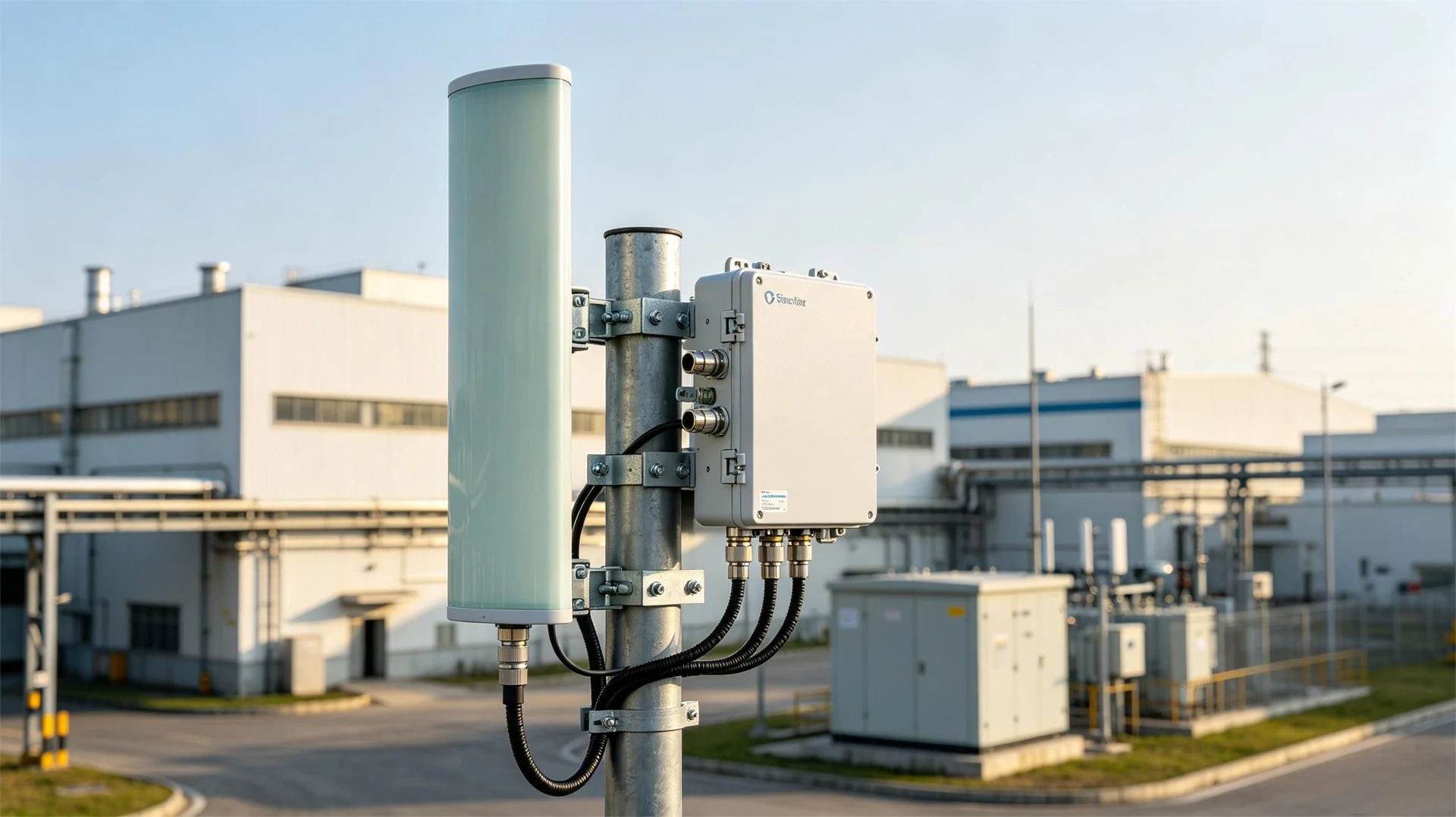
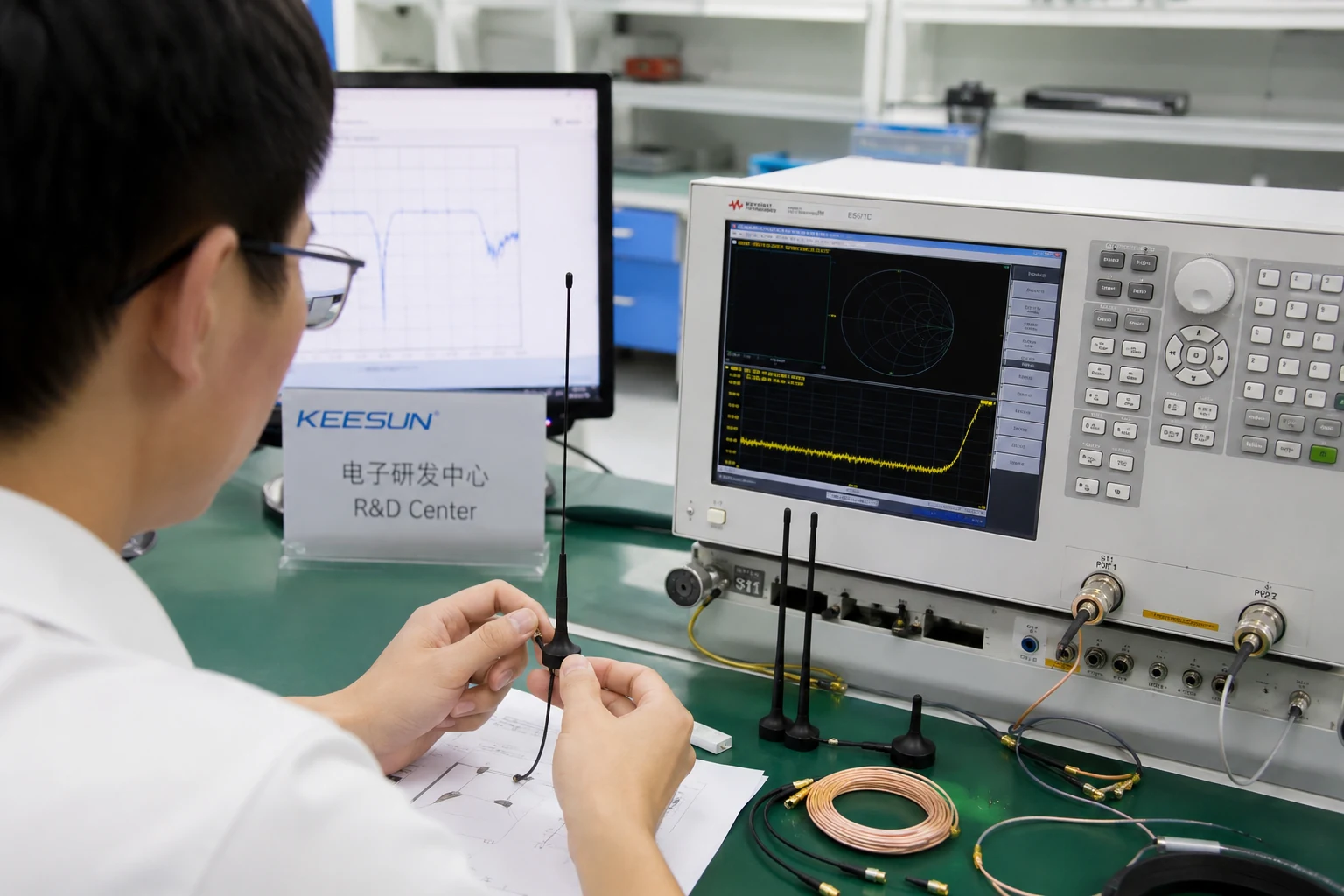
During product development, factors such as operating frequency, antenna gain, VSWR, impedance, size and installation method need to be considered together. KEESUN develops different antenna structures according to these requirements, including omnidirectional antennas, directional antennas, panel antennas, Yagi antennas, vehicle antennas and compact embedded antennas.
This approach allows the antenna to be selected according to the actual working environment rather than simply based on its frequency range.
Supporting common wireless frequency bands
4G LTE and 5G antennas remain important for cellular communication equipment, while WiFi antennas are widely used in routers, gateways and connected devices. GPS and GNSS antennas are commonly used in positioning and tracking equipment, and LoRa antennas are used in applications that require long-range, low-power wireless communication.
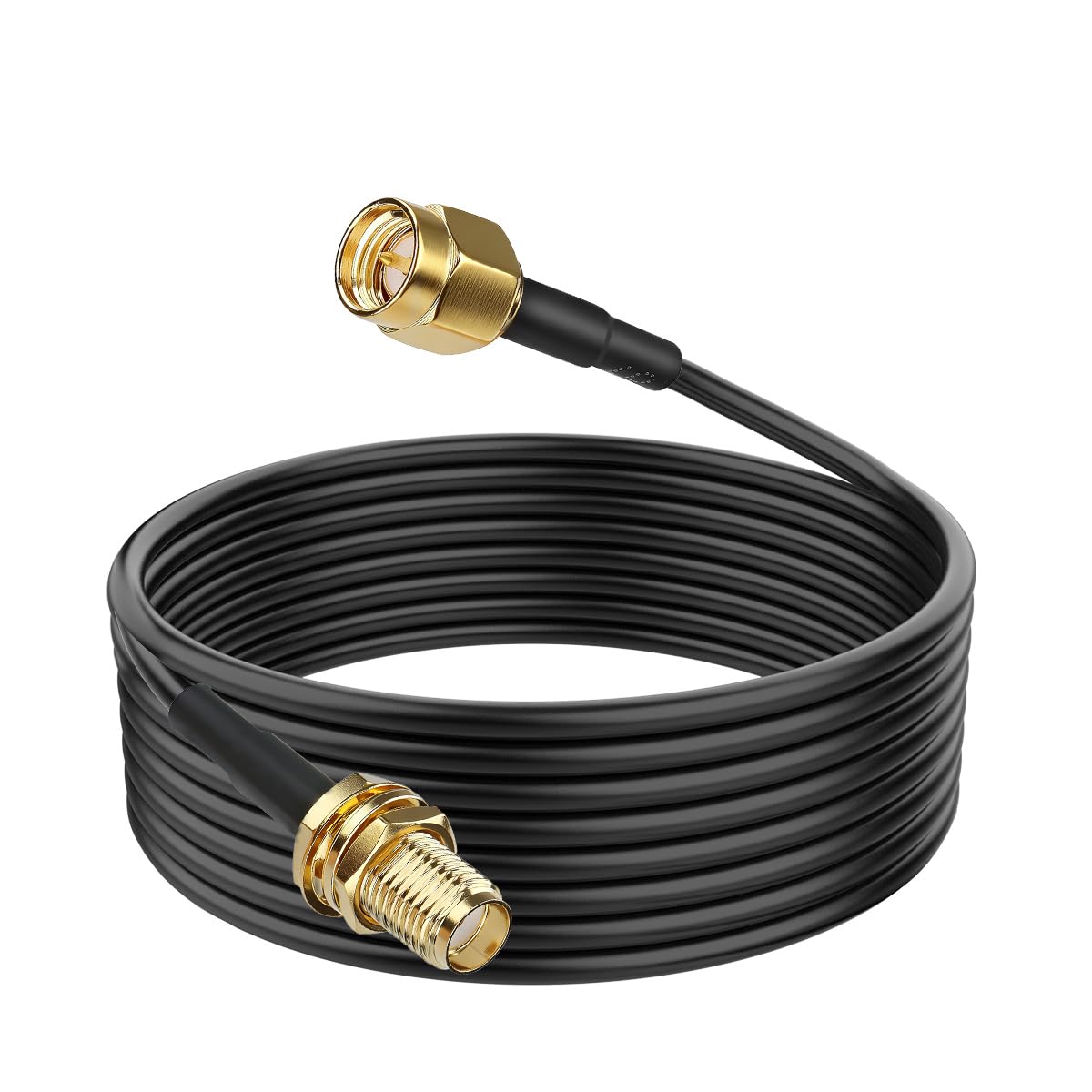
KEESUN’s product development covers these different application areas, with attention to practical specifications such as frequency coverage, antenna size, connector type and mounting method.
Product development based on practical requirements
Antenna development also involves mechanical considerations. The available installation space, housing design, cable routing and connector position can all affect the final antenna configuration.
For OEM and ODM projects, these requirements can be discussed during the product development process. Depending on the application, antenna specifications may need to be adjusted to fit a particular device or installation environment.
Continuous improvement of antenna products
Antenna development is an ongoing process. As wireless devices change, antenna manufacturers also need to review product structures, materials, dimensions and configurations.
KEESUN continues to expand and improve its antenna product range while maintaining a focus on practical wireless communication requirements. The goal is to provide antenna products that can be integrated into different types of equipment and communication systems.
For customers looking for a suitable RF antenna for a new project, product selection can start with the required frequency, application, installation method and connector type. These basic details help determine a more suitable antenna configuration.