

2026 RF Antenna Industry Trends: 5G, IoT and the Development of Advanced Wireless Connectivity
-
admin
- 29th September 2026
The RF antenna industry is entering another stage of development in 2026. Wireless communication is no longer limited to mobile phones and traditional network equipment. Antennas are now used in industrial IoT devices, wireless routers, smart equipment, vehicles, drones, GPS systems, private 5G networks and many other connected products.
At the same time, wireless systems are becoming more complicated. A single device may need to support several frequency bands and wireless protocols, while the available installation space for the antenna is often limited. This has increased the importance of antenna design, RF testing, product integration and manufacturing consistency.
Recent industry research continues to point to growth in the wireless antenna market. One 2026 market analysis estimates that the global antenna industry could grow from about USD 27.22 billion in 2026 to USD 39.18 billion by 2031, supported by 5G deployment, IoT connectivity, automotive applications, wider frequency coverage and advanced antenna architectures.
For antenna manufacturers and wireless equipment companies, several developments are worth watching in 2026.
1. 5G Continues to Drive Antenna Development
5G remains one of the main factors influencing the RF antenna market.
The early stage of 5G deployment focused heavily on coverage, network capacity and the introduction of new spectrum. As networks mature, the focus is gradually moving toward better efficiency, higher capacity and more flexible network configurations.
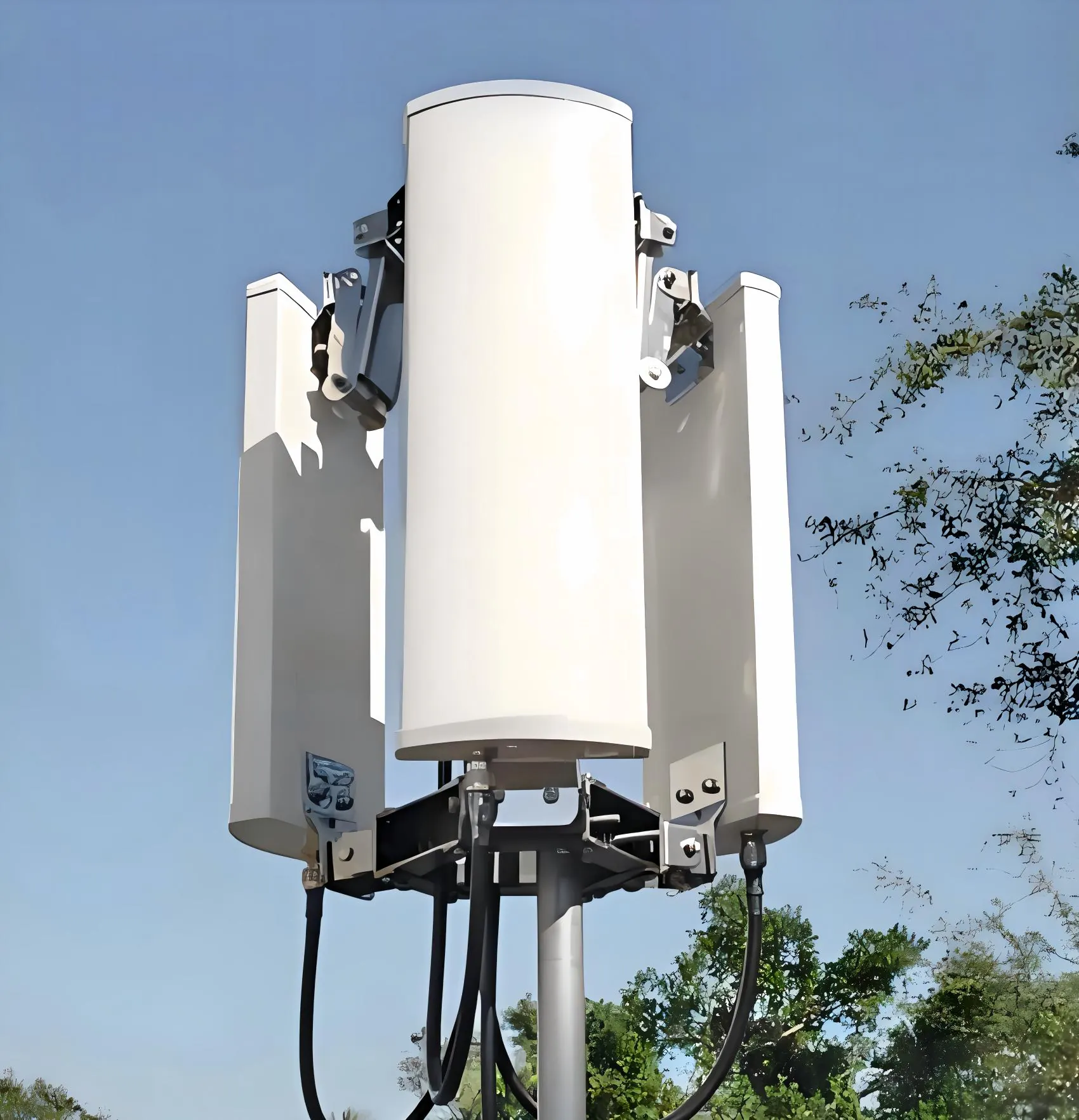
5G systems use technologies such as beamforming, carrier aggregation and Massive MIMO. These technologies have changed the way antennas are designed and deployed. Antennas are no longer considered separately from the radio system. The antenna array, RF front end, radio unit and signal processing increasingly work together as one system.
5G is also being used in more than traditional mobile communications. Fixed wireless access, private 5G networks, industrial communication and connected equipment are creating additional applications for wireless antennas.
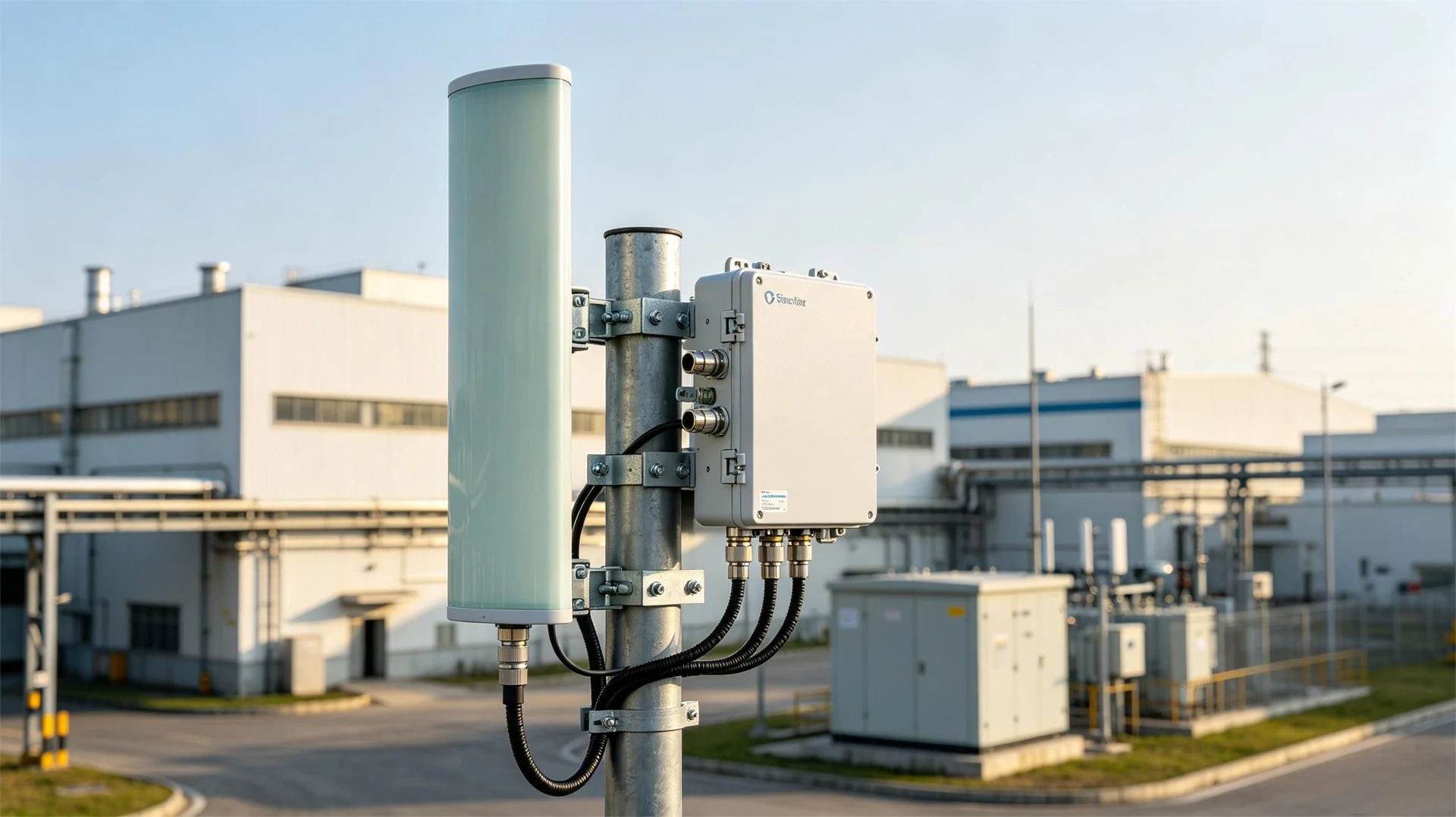
For equipment manufacturers, this means antenna requirements can vary significantly from one project to another. Some devices need compact internal antennas, while others require external omnidirectional antennas, directional panel antennas or multi-antenna configurations.
The transition toward 5G-Advanced is also creating new requirements. Testing and characterization of RF devices and antenna systems are becoming increasingly important as manufacturers work with more advanced wireless technologies.
2. IoT Is Creating Demand for Smaller and More Flexible Antennas
The Internet of Things continues to be an important application area for RF antennas in 2026.
IoT devices can be found in factories, warehouses, buildings, agriculture, energy systems, security equipment and consumer products. Many of these devices have very different physical structures and wireless requirements.
A small sensor may need a compact antenna that consumes very little space. An industrial gateway may require several antennas to support cellular, Wi-Fi, Bluetooth or GNSS functions. Outdoor equipment may require a more robust antenna housing and suitable environmental protection.
Recent research on IoT antenna design highlights the need to balance several factors at the same time, including antenna size, efficiency, bandwidth, gain and isolation. Current research covers sub-GHz, ISM, cellular, mmWave and emerging frequency bands, as well as MIMO, multiband and reconfigurable antenna designs.
This is one reason customized antenna products continue to be important.
An antenna that works well in one IoT device may not perform in the same way when installed inside another product. The available space, surrounding components, plastic housing, battery, PCB and ground plane can all affect the final RF performance.
As a result, antenna selection is increasingly becoming part of the early product design process rather than something added at the end.
3. Wideband and Multiband Antennas Are Becoming More Common
Another noticeable trend is the continued move toward wideband and multiband antenna solutions.
Modern wireless equipment may need to operate across several frequency bands. A single device can include cellular communication, GNSS positioning, Wi-Fi and Bluetooth functions.
Supporting multiple wireless technologies with a single compact antenna or a combination antenna can simplify product design and installation.
For example, cellular equipment may need to cover several LTE and 5G bands rather than one narrow frequency range. A wireless gateway may also combine cellular communication with GNSS and Wi-Fi.
Wideband antenna designs can reduce the number of different antenna models required for certain applications. They can also give equipment manufacturers more flexibility when products are sold in different regions.
However, wider frequency coverage does not automatically mean better performance. Antenna gain, VSWR, efficiency, isolation and physical dimensions still need to be considered.
For this reason, wideband antenna development requires both careful RF design and practical testing.
4. Massive MIMO Is Continuing to Develop
MIMO, or Multiple-Input Multiple-Output, has become an important part of modern wireless communication.
In 5G networks, Massive MIMO allows base stations to use large antenna arrays and advanced beamforming to improve capacity and coverage. Ericsson notes that Massive MIMO is widely used in TDD mid-band systems and is also being applied at lower frequencies and in mmWave applications.
The development of MIMO is continuing in 2026.
Future wireless systems are expected to use more antenna elements and more advanced signal processing. At the same time, network operators and equipment manufacturers need to control power consumption, hardware complexity and installation costs.
This creates a practical challenge: adding more antennas can improve system capability, but it can also increase the size, cost and complexity of the equipment.
Research and commercial development are therefore moving toward more efficient antenna arrays and better coordination between antenna hardware and signal processing.
Qualcomm’s recent work on 6G MIMO, for example, describes the evolution from Massive MIMO toward denser antenna arrays and Giga-MIMO for upper mid-band spectrum. The company also highlights energy efficiency as an important part of future MIMO design.
5. AI Is Starting to Play a Larger Role in Antenna Design
Artificial intelligence is another technology entering the antenna engineering process.
AI and machine learning are being studied for antenna optimization, beamforming, impedance matching, reconfigurable antennas and other RF applications.
A 2026 review of AI-powered antenna engineering describes the use of evolutionary algorithms, machine learning, deep learning and reinforcement learning across different stages of antenna design and optimization.
The practical value of AI in antenna engineering is mainly related to optimization.
A conventional antenna design process can require many simulations and repeated parameter adjustments. When an antenna needs to satisfy several requirements at once, such as frequency coverage, gain, bandwidth, size and isolation, the number of possible design combinations can become large.
AI-based tools can help engineers explore these combinations more efficiently.
However, AI does not remove the need for RF engineering. Antenna performance still needs to be verified through simulation, prototype development and physical testing.
For manufacturers, the final product still needs to meet real-world requirements rather than only achieving a good simulation result.
6. Wi-Fi 7 Adds New Requirements for Antenna Systems
The development of Wi-Fi 7 is also relevant to the antenna industry.
Wi-Fi 7 supports wider channels, higher data rates and more advanced wireless functions. As the technology moves into routers, enterprise equipment and other connected devices, antenna systems need to support the corresponding frequency bands and RF requirements.
The move toward higher frequencies and wider bandwidths places greater demands on antenna design.
Antenna size, efficiency, placement and isolation can all affect the performance of a Wi-Fi system. In compact routers and wireless devices, several antennas may need to operate close to each other.
This makes antenna layout and MIMO performance important parts of the overall product design.
For antenna suppliers, Wi-Fi 7 is another example of how changes in wireless standards can create demand for new antenna configurations rather than simply replacing one antenna model with another.
7. Satellite Communication Is Expanding the RF Antenna Market
Satellite communication is another area receiving attention in 2026.
The development of low-earth-orbit satellite networks and non-terrestrial networks is creating new possibilities for wireless communication outside traditional terrestrial infrastructure.
5G NTN, or Non-Terrestrial Networks, is being developed to connect terrestrial mobile systems with satellite and other non-terrestrial networks.
This creates new technical requirements for antennas. Depending on the application, satellite communication systems may require higher gain, directional control, beam steering or specialized antenna arrays.
The satellite communication market is different from the conventional Wi-Fi, cellular or IoT antenna market, but it is part of the broader development of RF technology.
It also shows how antenna applications are expanding beyond traditional communication infrastructure.
8. Antenna Customization Is Becoming More Important
As wireless devices become more specialized, standard antennas cannot always meet every requirement.
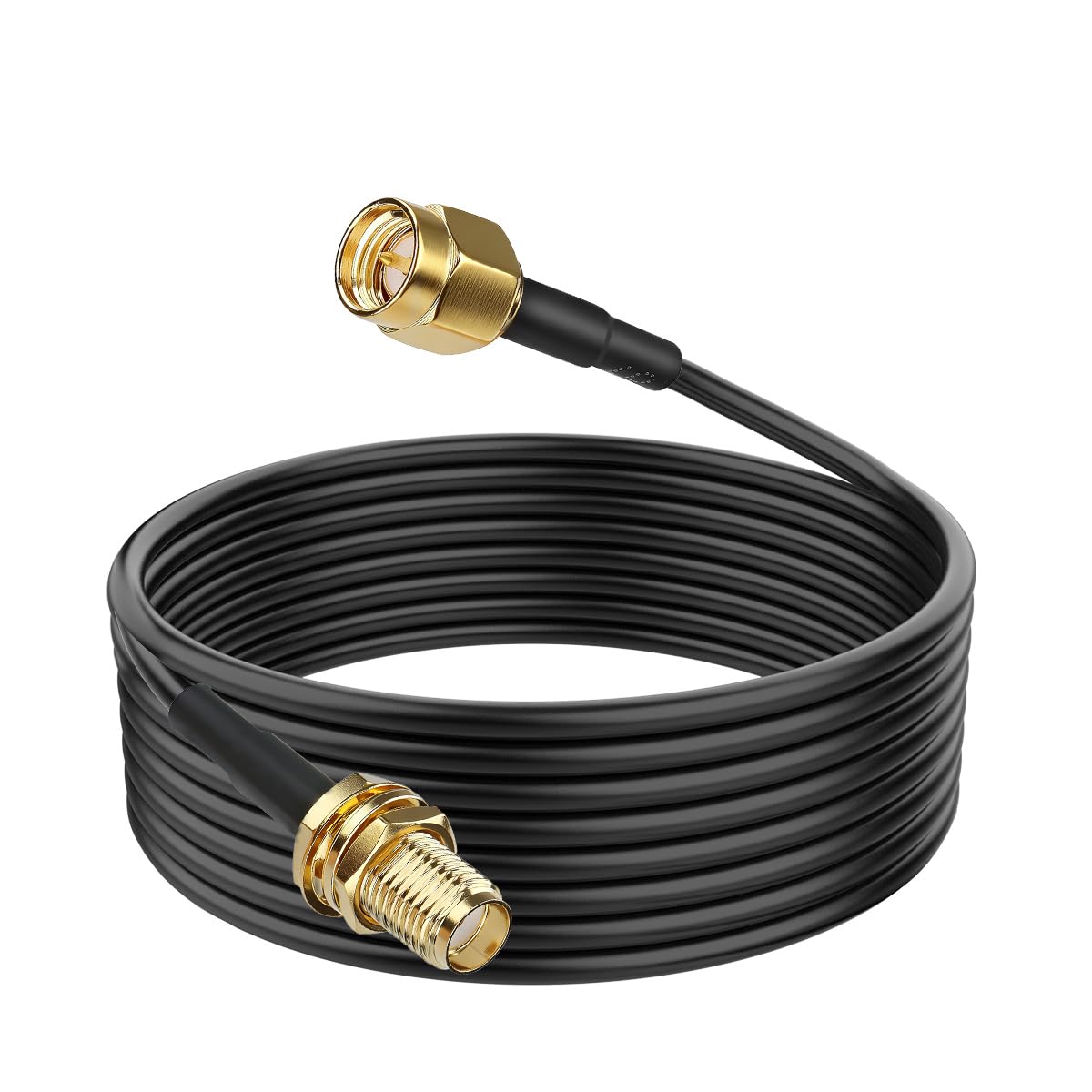
A customer may need a specific frequency range, connector, cable length, mounting method, antenna size or housing design. In some projects, the antenna also needs to fit into a limited mechanical space.
This is particularly common in industrial equipment, IoT devices, drones, GPS systems, wireless gateways and other specialized products.
A customized antenna project may involve several stages, including technical discussion, sample development, testing, customer approval and mass production.
For an antenna manufacturer, this requires more than production capacity. Engineering communication, sample control, RF testing and manufacturing consistency are also important.
The cellular IoT antenna market provides a good example of this trend. A 2026 industry report estimates that cellular IoT antenna shipments reached 757 million units in 2025 and forecasts continued growth through 2030. The report also points to the need for antennas supporting multiple cellular bands together with GNSS, Wi-Fi and Bluetooth in many applications.
9. RF Testing Remains a Basic Part of Antenna Manufacturing
Despite the development of new technologies, basic RF testing remains important.
An antenna may look correct from the outside but still have an electrical performance problem. This is why manufacturers need to combine visual inspection with RF testing.
Common antenna parameters include frequency range, VSWR, gain and impedance. Depending on the product, manufacturers may also check cable assembly, connector installation and mechanical dimensions.
For MIMO antennas, additional parameters such as isolation and correlation may also become important.
Testing requirements depend on the application. A small Wi-Fi antenna does not necessarily use the same test procedure as a large outdoor fiberglass antenna or a 5G panel antenna.
The testing process therefore needs to be matched to the actual product specification.
10. Manufacturing Consistency Is Still Important
Technology development often receives more attention than manufacturing, but production consistency remains a basic requirement for antenna products.
A customer purchasing a small quantity of samples may focus mainly on initial performance. A customer placing a large B2B order also needs the same performance to be maintained across production batches.
Component quality, connector assembly, cable length, antenna dimensions and internal construction can all affect consistency.
For this reason, antenna manufacturers continue to focus on production inspection, process control and final testing.
For OEM and ODM projects, consistency between the approved sample and mass production is particularly important. The final products need to follow the agreed mechanical and electrical specifications.
Looking Ahead
The RF antenna industry in 2026 is being shaped by several technologies at the same time.
5G and 5G-Advanced continue to develop. IoT is creating demand for compact and flexible antennas. MIMO systems are becoming more advanced. Wi-Fi 7 is increasing wireless performance requirements. Satellite communication is opening new application areas, while 6G research is pushing antenna technology toward higher frequencies, denser arrays and more intelligent systems.
At the same time, many traditional antenna products remain important in real-world applications.
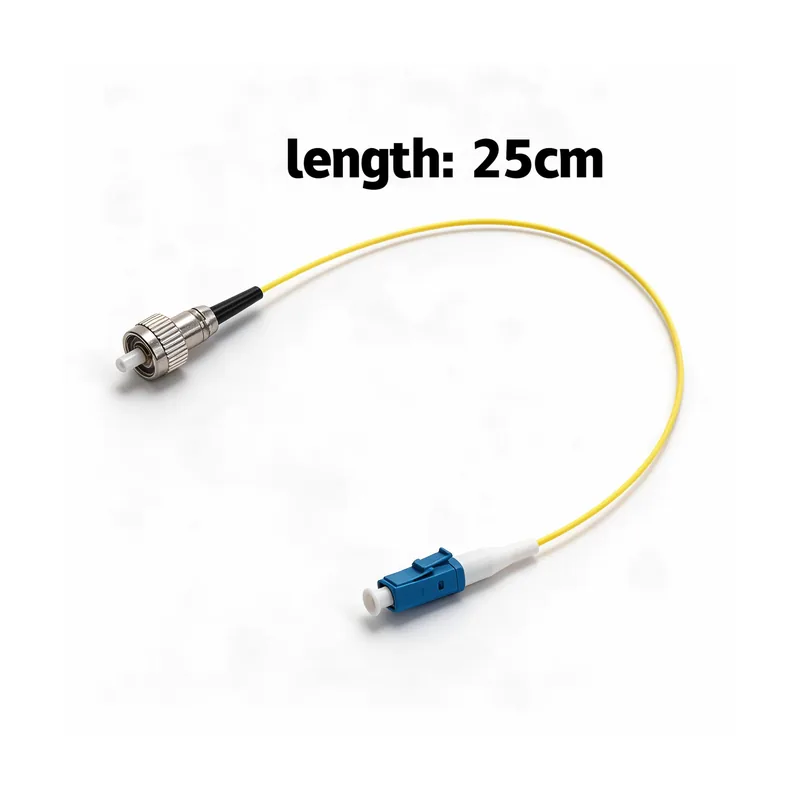
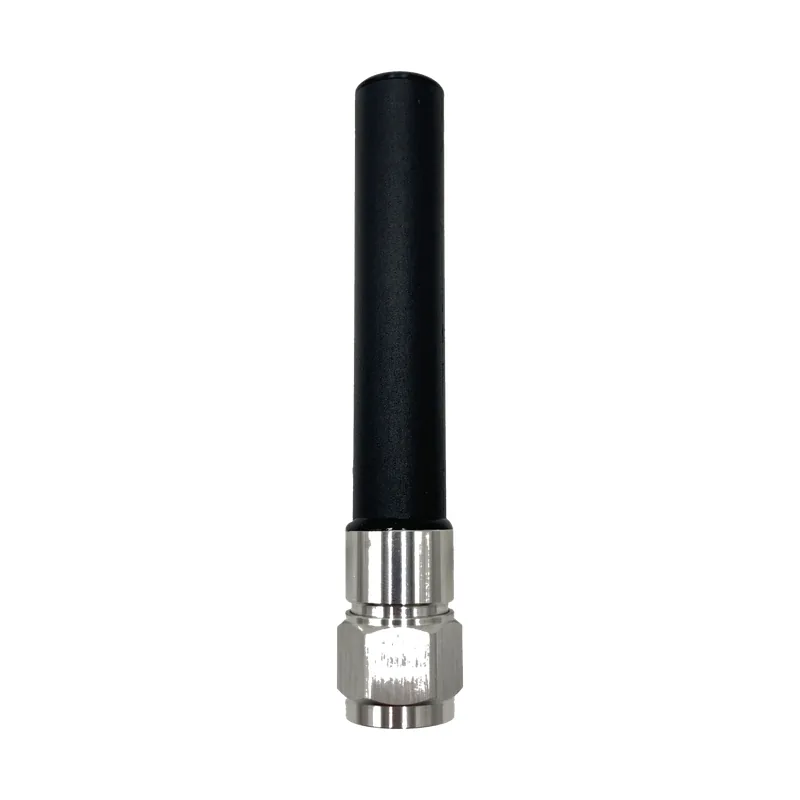
Omnidirectional antennas, directional antennas, fiberglass antennas, rubber whip antennas, panel antennas, GPS and GNSS antennas, PCB antennas, FPV antennas and RF cable assemblies continue to be used across different wireless systems.
The future of the antenna industry will therefore not be based on one single technology. Different applications will continue to require different antenna structures, frequency ranges and manufacturing approaches.
For antenna manufacturers, the ability to combine RF engineering, product testing, stable production and customized manufacturing will remain important.
As wireless connectivity becomes part of more devices and industrial systems, antennas will continue to play a central role in how those products communicate. The development of 5G, IoT, MIMO, Wi-Fi 7, satellite communication and future 6G networks will continue to create new requirements for RF antenna design and manufacturing throughout the coming years.