
Custom RF Antennas: What You Need to Know Before Starting a Project
-
admin
- 29th September 2026
Not every wireless device can use the same standard antenna.
A standard RF antenna may work well for a common application, but equipment manufacturers often have their own requirements for frequency, size, connector, cable length, mounting position and operating environment. When these requirements do not match an existing product, a custom RF antenna may be a better option.
Custom antennas are used in many types of wireless equipment, including IoT devices, industrial gateways, tracking terminals, routers, smart machines, outdoor communication systems and other RF products.
For companies developing a new wireless product, the antenna does not need to be designed from scratch in every project. In many cases, an existing antenna structure can be adjusted to match the equipment.
KEESUN provides standard and customized RF antenna solutions for customers who need antennas adapted to specific wireless and mechanical requirements.
What Is a Custom RF Antenna?
A custom RF antenna is an antenna that has been modified or designed according to the requirements of a particular application.
The customization can be electrical, mechanical or related to the cable and connector assembly.
For example, a customer may need a 4G LTE antenna with a specific cable length and SMA connector. Another project may require a compact internal antenna that fits into a limited space inside an IoT device.
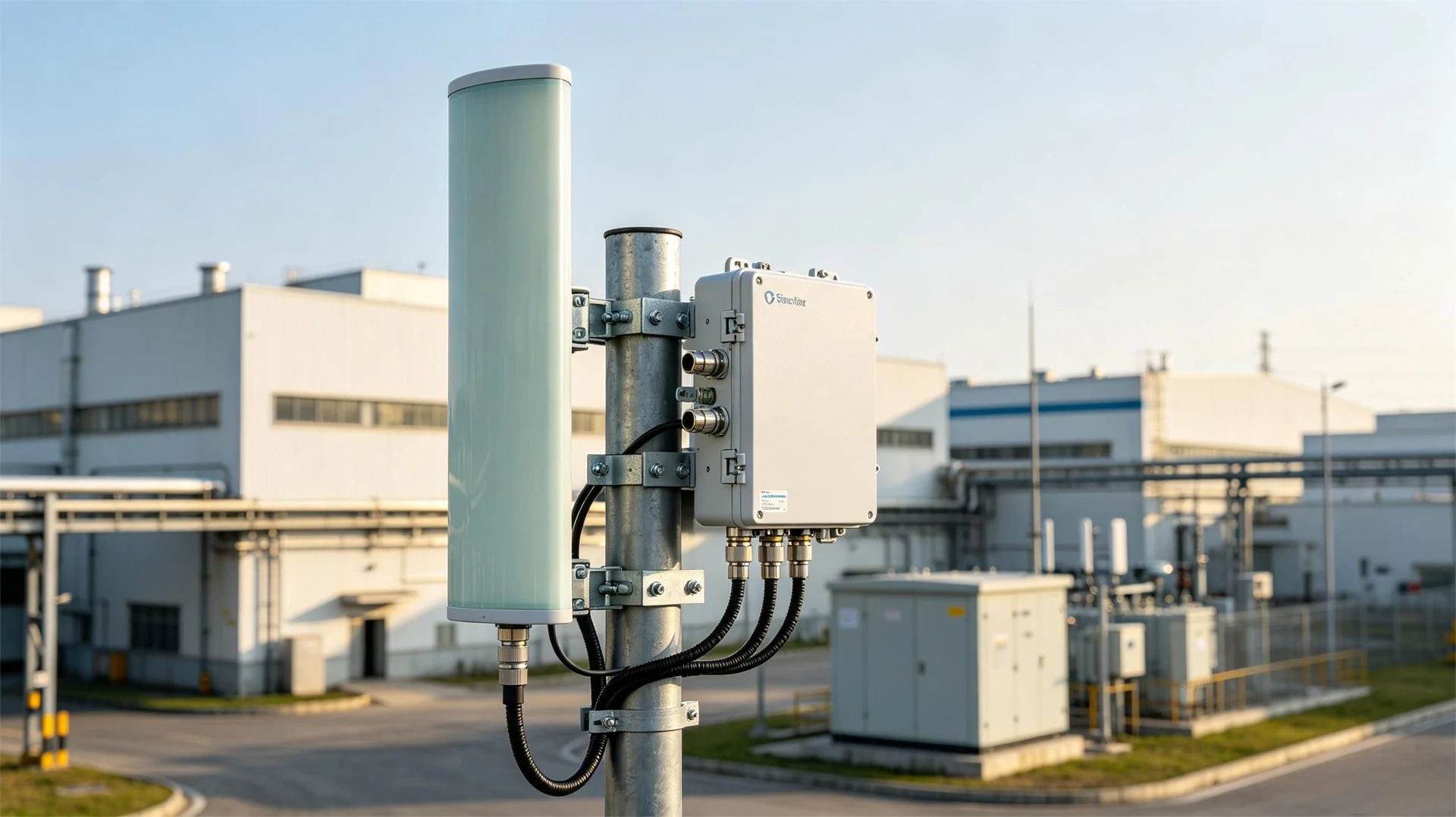
An outdoor wireless system may require a fiberglass antenna with a specific gain and mounting structure.
These are all different types of antenna customization.
Typical customization requirements include:
Frequency range
Antenna gain
VSWR
Antenna dimensions
Housing design
Cable type
Cable length
RF connector
Connector orientation
Mounting method
Material
Environmental requirements
Packaging
The actual requirements depend on the final product.
When Does a Product Need a Custom Antenna?
The most common reason is that a standard antenna does not physically fit the equipment.
A device may have a limited internal space, a specially shaped enclosure or a fixed position for the RF connector. Even a few millimeters can matter in a compact electronic product.
Another reason is frequency.
A wireless module may support a specific group of frequency bands that is not fully covered by a standard antenna. In this situation, the antenna may need to be adjusted for the required operating range.
Connector requirements are also common.
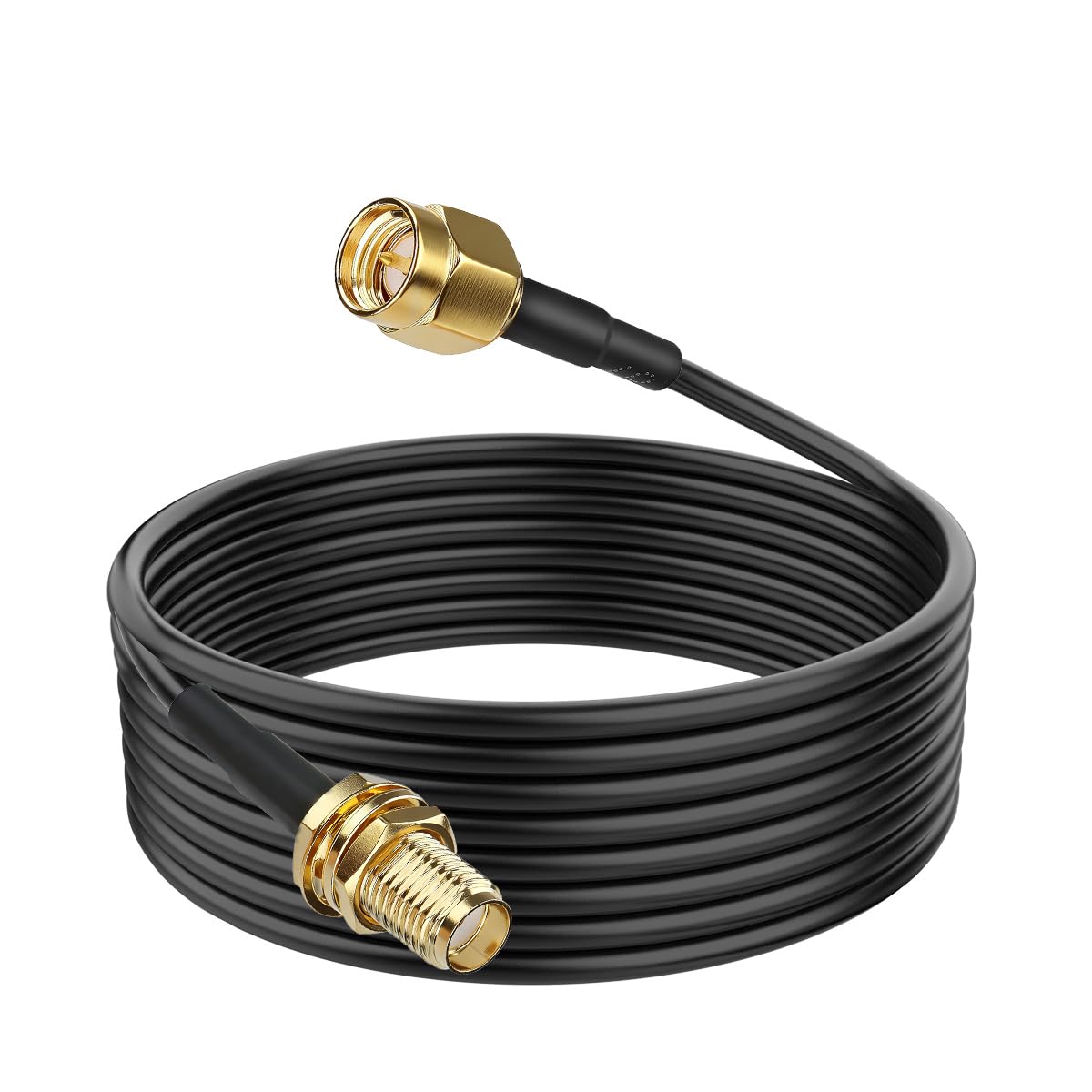
The wireless module may use IPEX or U.FL internally, while the external connection requires SMA or another RF connector. The cable assembly can be customized to connect the antenna directly to the equipment.
For outdoor applications, the antenna may also need a particular housing, mounting method or protection level.
Start With the Wireless Module
Before designing or selecting a custom RF antenna, the wireless module should be identified.
The module determines the operating frequency and often provides information about the required RF interface.
For example, a product may use:
4G LTE
5G
Wi-Fi
Bluetooth
GNSS
GPS
LoRa
ISM
FPV or other RF systems
The antenna should be compatible with the frequency bands used by the module.
For multi-band products, all required bands should be considered rather than selecting the antenna according to a general term such as “4G antenna” or “5G antenna.”
Providing the module model or frequency range to the antenna manufacturer can make the initial discussion much more precise.
Frequency Is Only One Part of the Design
Frequency is important, but it is not the only specification.
Antenna performance is also affected by the physical structure and installation environment.
For an internal antenna, the PCB, battery, metal frame and plastic housing can all affect the RF environment.
For an external antenna, the installation height, mounting surface, cable routing and surrounding structures may influence performance.
This is why the same antenna can behave differently when installed in different products.
A custom antenna project should therefore consider the final equipment rather than treating the antenna as an isolated component.
Antenna Size and Available Space
Size is one of the most common reasons for customization.
A small tracking device may only have a limited area available for an antenna. A router or industrial gateway may have more room for an external antenna.
The available dimensions should be measured before selecting the antenna.
Useful information includes:
Maximum antenna length
Maximum width
Available height
Installation clearance
PCB dimensions
Distance from metal components
Cable exit position
Photos or mechanical drawings of the equipment can also help the antenna manufacturer understand the installation.
Sometimes an existing antenna can be shortened or modified to fit the available space. In other cases, a different antenna structure may be required.
Choosing the Right RF Connector
The RF connector is a small component, but it needs to match the equipment correctly.
Common RF connectors include SMA, RP-SMA, N-type, MMCX, IPEX and U.FL.
The connector can be selected according to the RF port, available space and installation method.
For example, a compact wireless device may use an IPEX connector because there is very little room inside the enclosure. An external industrial antenna may use an N-type connector because of the mechanical requirements of the installation.
The connector orientation can also be customized.
A straight connector may be suitable in one application, while a 90-degree connector may provide better cable routing in another.
RF Cable Selection
A customized antenna often includes a customized coaxial cable assembly.
Cable type and length should be considered together with the operating frequency.
RG174, RG178 and RG316 are examples of coaxial cables commonly used in RF applications.
The cable should be long enough for installation but should not be unnecessarily long because RF cable introduces loss.
The connector combination can also be specified according to the equipment.
For example, one end of the cable may use an IPEX connector for the wireless module, while the other end uses an SMA connector for an external antenna.
For B2B customers, having the antenna and RF cable supplied as one finished assembly can simplify the equipment assembly process.
Internal Custom Antennas
Internal antennas are common in compact wireless devices.
They can be installed inside routers, tracking terminals, IoT equipment, smart devices and other electronic products.
Because the antenna is surrounded by other components, the mechanical design becomes important.
The antenna may need to fit around a battery, PCB or enclosure wall. The position of the antenna can also affect its performance.
For this type of project, providing a mechanical drawing or sample enclosure can be useful.
The antenna manufacturer can then consider the available space and installation conditions when selecting or modifying the antenna structure.
External Custom Antennas
External antennas are widely used when the antenna needs to be positioned outside the equipment enclosure.
Examples include:
LTE antennas
4G antennas
5G antennas
Wi-Fi antennas
LoRa antennas
GNSS antennas
Fiberglass antennas
Panel antennas
Rubber whip antennas
Blade antennas
External antennas can be customized in terms of frequency, gain, connector, cable, length and mounting structure.
For outdoor applications, environmental requirements should also be discussed before production.
Custom Fiberglass Antennas
Fiberglass antennas are often used in fixed outdoor wireless communication systems.
A typical fiberglass antenna has a long vertical structure and is mounted using brackets or other hardware.
They can be used for LoRa gateways, wireless monitoring systems, industrial communication equipment and other outdoor RF applications.
Customers may require different frequency ranges, gain levels, antenna lengths and connector configurations.
The mounting hardware and cable connection may also need to match the installation site.
Because outdoor antennas are exposed to the environment, the housing and construction should be considered along with the RF specifications.
Custom 4G and 5G Antennas
Cellular equipment can require multi-band antenna designs.
A 4G LTE or 5G device may be intended for use in different markets, so the required frequency bands should be confirmed before selecting the antenna.
The physical design also depends on the equipment.
A compact cellular terminal may use an internal antenna, while an industrial router may use an external antenna with an SMA or other connector.
Some equipment uses multiple cellular antennas. In this case, antenna position and cable routing should be considered as part of the overall RF design.
Custom GNSS Antennas
GNSS antennas are used in positioning and navigation equipment.
Typical applications include vehicle tracking, fleet management, logistics equipment, navigation devices and industrial monitoring terminals.
A custom GNSS antenna may be required when the product has limited installation space or needs to support particular GNSS frequency bands.
The antenna location is also important because GNSS signals received from satellites are relatively weak compared with many terrestrial wireless signals.
For a new GNSS product, the antenna should be evaluated in the actual enclosure whenever possible.
Custom LoRa Antennas
LoRa applications often use external antennas for gateways and outdoor communication systems.
The required frequency depends on the target market and wireless system.
A custom LoRa antenna can be developed around the required frequency range, antenna length, gain, connector and mounting method.
For outdoor gateways, fiberglass omni-directional antennas are one common option.
The final choice depends on the coverage requirements and installation environment.
From Sample to Production
A custom antenna project normally starts with technical information and samples.
The customer provides the basic application requirements, and the antenna manufacturer evaluates whether an existing product can be modified or whether a different design is required.
A sample is then produced for testing.
The customer can install the sample in the actual equipment and check the physical fit and wireless performance.
If changes are required, the antenna dimensions, connector, cable or other specifications can be adjusted.
Once the specification is confirmed, the product can move into regular production.
This process is particularly important for B2B customers because the final requirement is usually not one successful sample. The antenna needs to remain consistent during future production.
What Should Be Tested?
The exact testing requirements depend on the antenna and application.
Common RF parameters include:
VSWR
Return loss
Impedance
Gain
Radiation pattern
Efficiency
Cable assemblies may also require continuity and connector checks.
However, testing the antenna alone is not always enough.
The final equipment can change the RF characteristics because of its enclosure, PCB, battery, metal parts and other components.
For this reason, testing the antenna inside the final product can provide more useful information during development.
Working With a Custom RF Antenna Manufacturer
A good custom antenna project starts with clear communication.
Customers do not always need to provide a complete antenna design. Basic information about the wireless module, frequency, installation space and connector can be enough to begin.
Useful project information includes:
Application: What equipment will use the antenna?
Frequency: What frequency or frequency bands are required?
Dimensions: How much space is available?
Installation: Will the antenna be installed internally or externally?
Connector: Which RF connector is required?
Cable: What cable type, length and connector combination are needed?
Environment: Will the antenna be used indoors or outdoors?
Quantity: Is the requirement for samples, small batches or regular production?
Testing: Which RF parameters need to be checked?
The more information available, the easier it is to determine the right antenna configuration.
KEESUN Custom RF Antenna Solutions
KEESUN provides RF antennas for wireless communication equipment and supports customized antenna requirements for B2B customers.
The product range covers several common wireless applications, including 4G LTE, 5G, GNSS, GPS, Wi-Fi, LoRa and other RF systems.
Different antenna structures are available, including fiberglass antennas, panel antennas, blade antennas, rubber whip antennas and compact antenna solutions.
Customization can involve the antenna itself as well as the complete RF connection.
Depending on the project, this may include antenna dimensions, frequency range, gain, cable length, RF connector, connector orientation and mounting method.
For equipment manufacturers, this provides a practical way to develop an antenna around the actual product instead of changing the equipment to fit a standard antenna.
KEESUN can also work with customers from the sample stage through product testing and regular production.
The goal is straightforward: provide an RF antenna that fits the wireless requirements and the physical requirements of the final equipment.
Before You Start a Custom Antenna Project
A custom antenna does not always require a complicated development process.
In many cases, the first step is simply to collect the basic information about the equipment.
Prepare the wireless module information, frequency range, available antenna space, connector requirement and cable length.
If possible, provide a mechanical drawing, product photo or existing antenna sample.
The antenna manufacturer can then determine whether a standard product is suitable or whether customization is needed.
Starting with these details can save time and reduce unnecessary changes later in the development process.
Final Thoughts
Custom RF antennas are useful when a standard antenna cannot meet the requirements of a wireless product.
The customization may be as simple as changing a connector or cable length, or it may involve a different antenna structure designed around the equipment.
Frequency, gain, VSWR, size, installation position, connector, cable and operating environment should all be considered before the final specification is confirmed.
For companies developing IoT devices, industrial equipment, routers, tracking systems, gateways and other wireless products, working directly with an RF antenna manufacturer can make the development process easier.
KEESUN provides standard and custom RF antenna solutions for different wireless applications. If you have a new antenna project, an existing antenna that needs modification, or a specific RF cable and connector requirement, providing the basic technical information is a good place to start.
From sample development to testing and production, KEESUN can discuss the antenna requirements with your team and work toward a configuration that fits the final product.