
KEESUN Expands Custom Antenna Options to Support OEM and ODM Projects
-
admin
- 29th September 2026
Different wireless devices often require different antenna configurations. Even when two products operate on a similar frequency band, their antenna requirements may be different because of installation space, connector type, cable length or enclosure design.
KEESUN provides antenna products for OEM and ODM projects where standard antenna models may need to be adjusted to suit a particular application.
Why custom antenna configurations matter
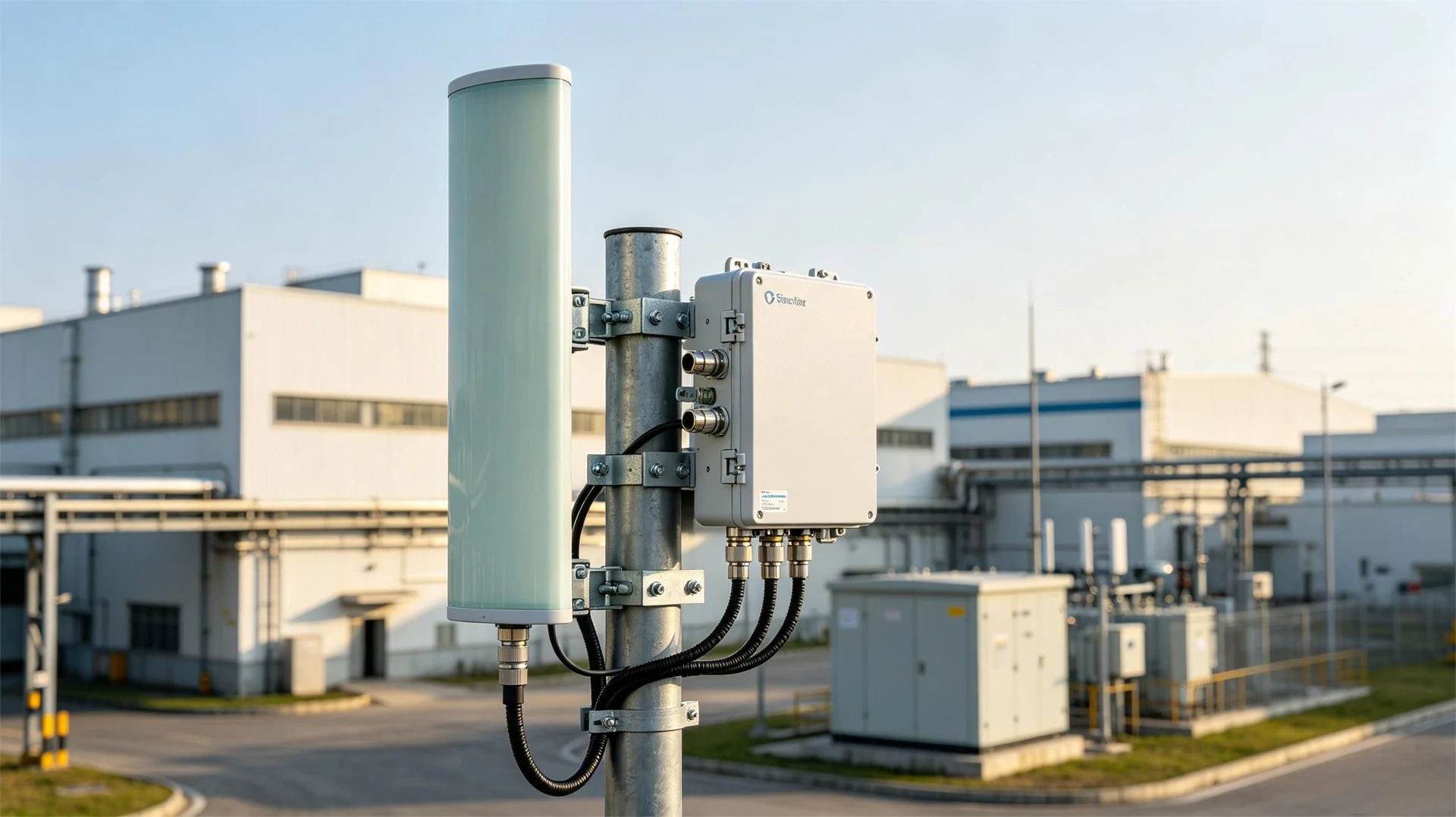
The antenna is part of the overall wireless system, so its physical installation can affect the final design. An antenna may need to fit inside a compact enclosure, be installed on a vehicle, mounted on an outdoor cabinet or connected to equipment through a specific RF connector.
For this reason, customers may require changes to dimensions, cable length, connector configuration or mounting structure.
Frequency and antenna structure
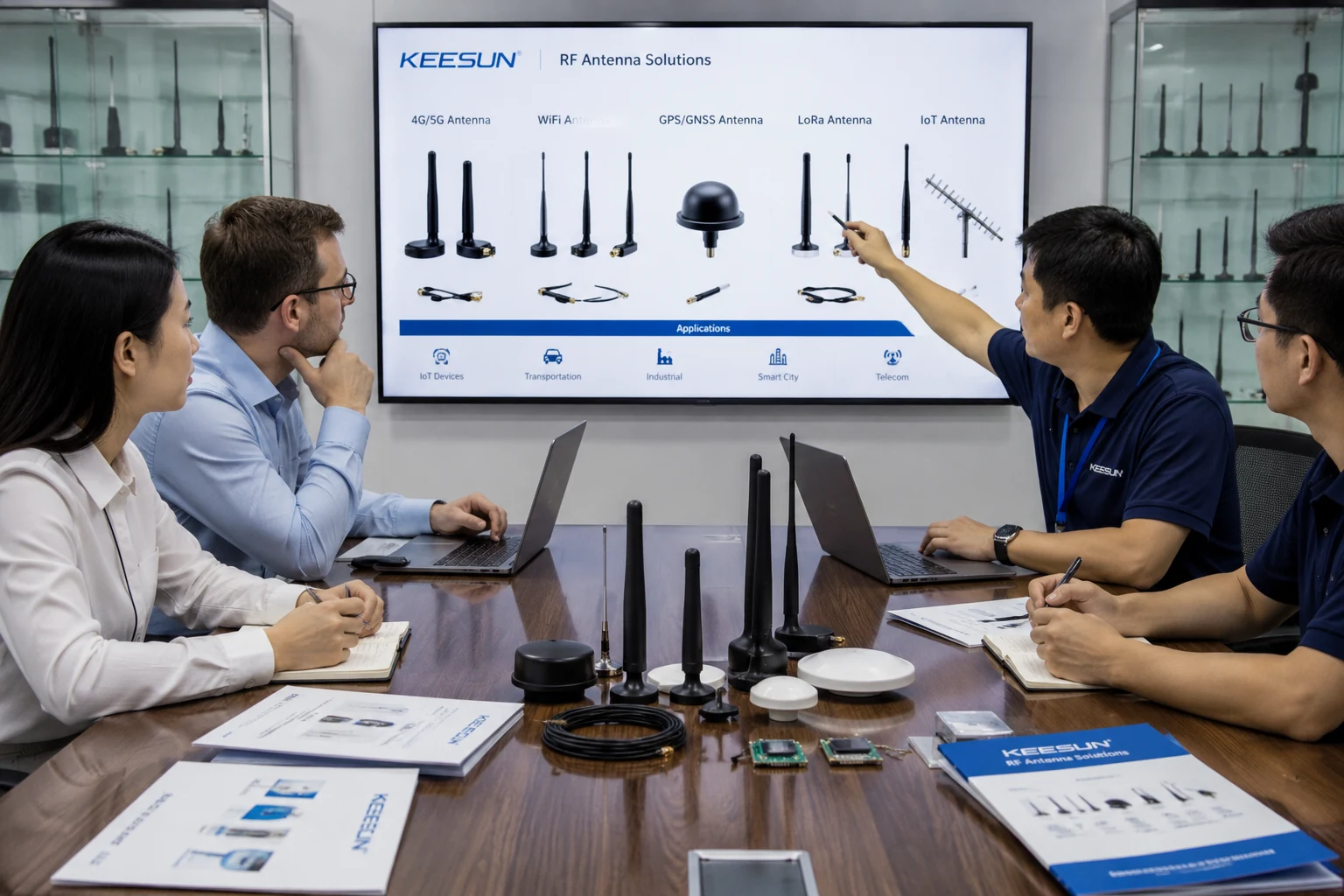
Frequency is one of the first factors considered during antenna selection. Different applications may use cellular, WiFi, GNSS, LoRa or other wireless frequency bands.
Depending on the required frequency range and application, different antenna structures can be considered. These may include omnidirectional antennas, directional antennas, panel antennas, Yagi antennas, vehicle antennas and compact antennas.
The final configuration should be based on the actual wireless application and available installation conditions.
Cable and connector customization
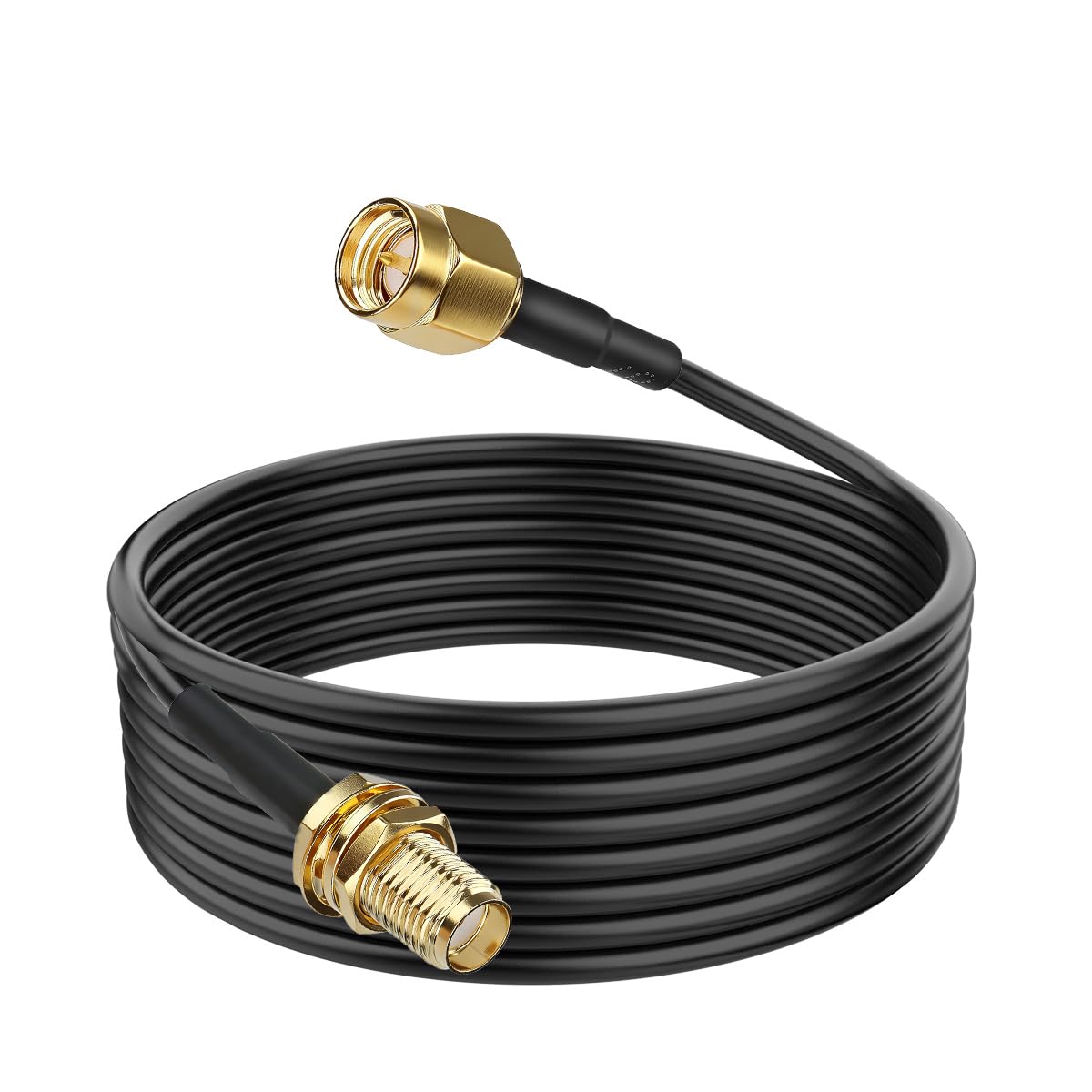
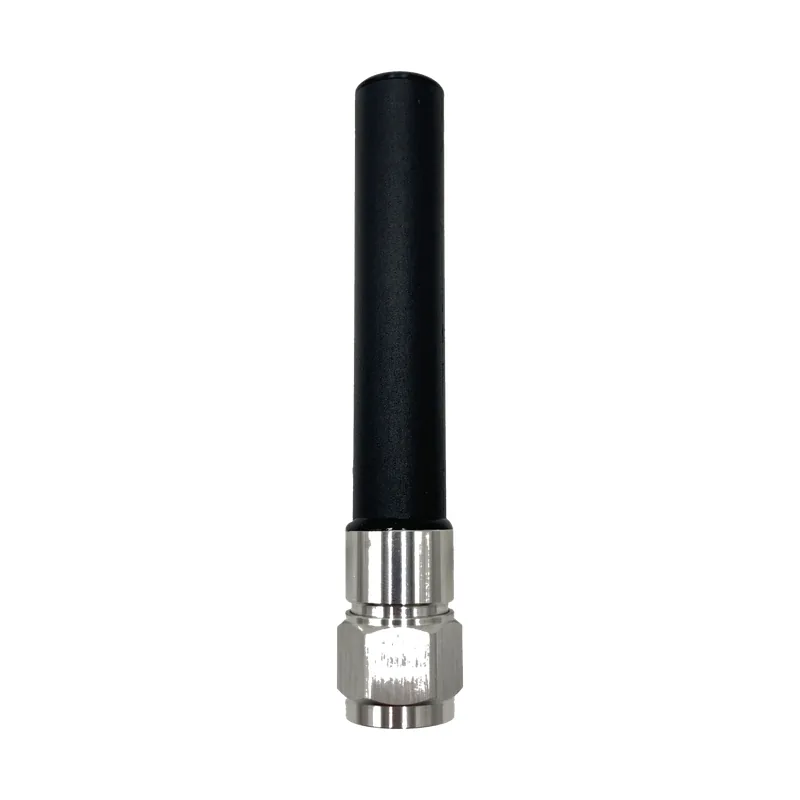
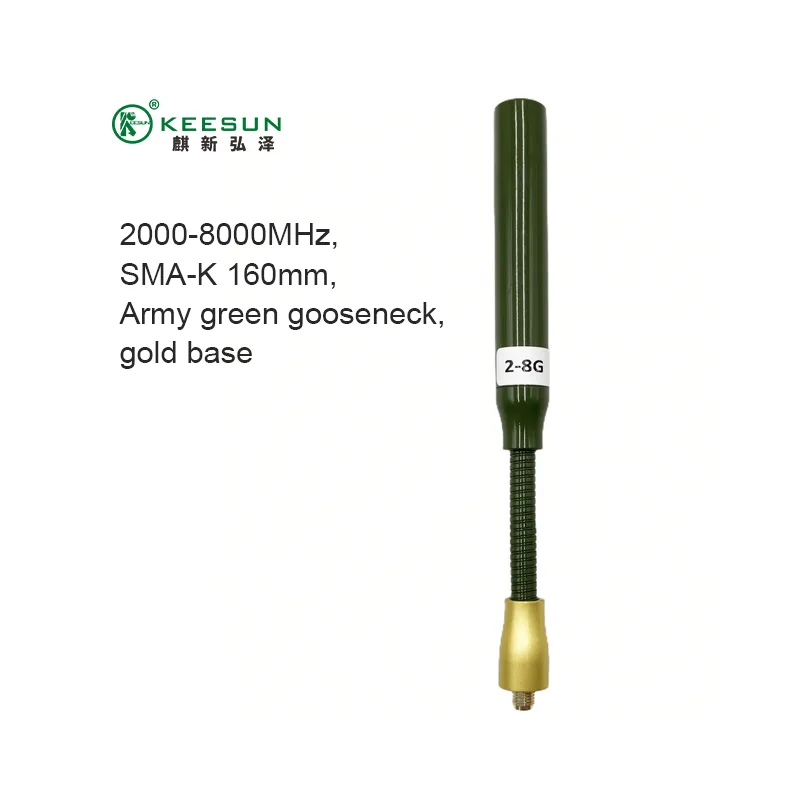
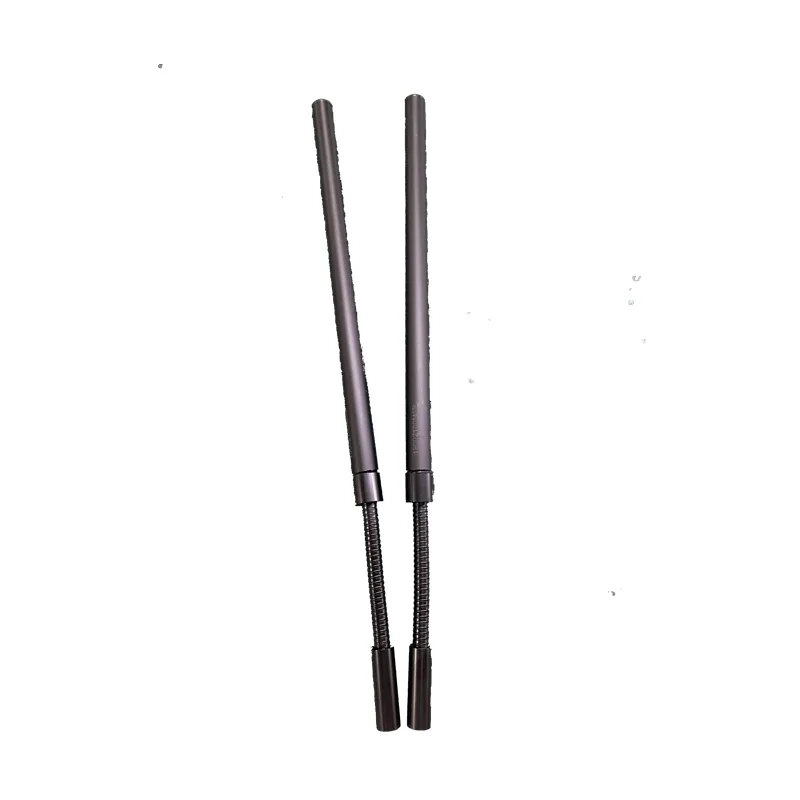
Cable and connector requirements are common in OEM antenna projects. The antenna itself may be suitable for the application, but the standard connector may not match the customer’s device.
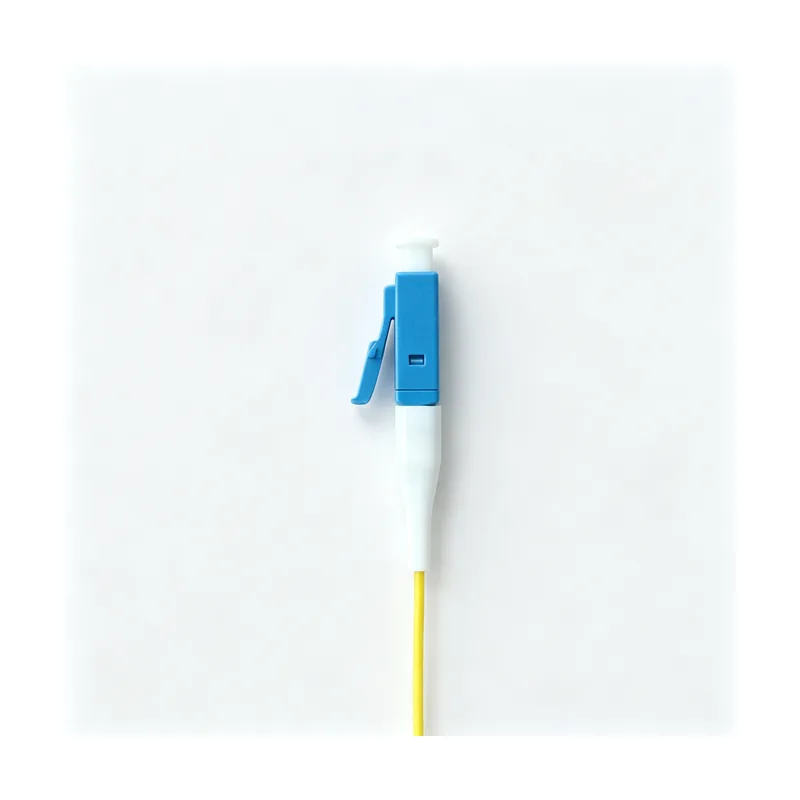
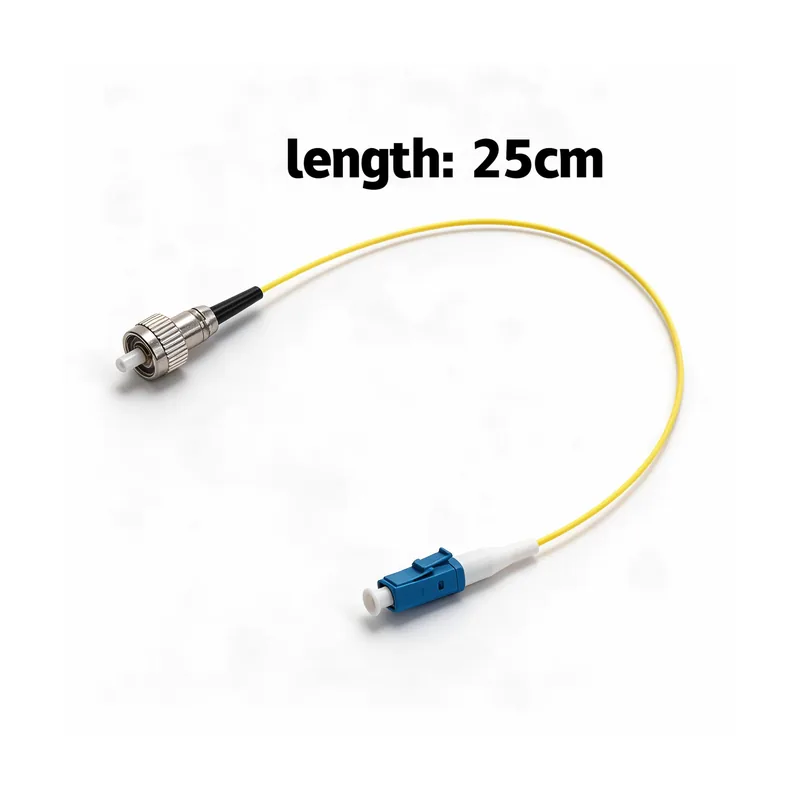
KEESUN can work with different RF connector and cable configurations according to project requirements. Cable length, connector type and connector orientation can be discussed during the quotation and sample stages.
This is useful for customers who need antennas to be supplied as part of a complete device assembly.
OEM and ODM cooperation
OEM projects may require an existing antenna product with specific configuration changes, while ODM projects can involve more detailed product development based on the customer’s application.
The actual level of customization depends on the project. Not every antenna requires a completely new design. In some cases, adjusting the cable, connector or mounting method may be enough.
Starting with a clear specification can help determine the most practical solution.
Working from the application requirements
For a custom antenna project, useful information normally includes the operating frequency, required antenna type, installation location, approximate dimensions, connector type and cable requirements.
KEESUN uses these details to evaluate the antenna configuration and determine whether an existing product can be adapted or whether a new design is more appropriate.
This application-based approach helps keep custom antenna development practical and avoids unnecessary changes to the product.