
Industrial Antennas: How to Choose the Right Antenna for Wireless Equipment
-
admin
- 19th October 2026
Wireless communication is now used in many types of industrial equipment. LTE routers, IoT gateways, tracking devices, industrial sensors, remote monitoring systems and smart machines all need a suitable RF antenna to send and receive wireless signals.
The antenna is sometimes treated as a small part of the overall product, but its position and design can have a direct effect on wireless performance. A good wireless module cannot compensate for an antenna that does not match the required frequency or is installed in a poor position.
For equipment manufacturers, choosing an industrial antenna usually starts with a few basic questions: What frequency does the device use? Where will the antenna be installed? How much space is available? Does the equipment need an omni-directional or directional antenna? Which RF connector and cable are required?
These questions are useful when selecting an antenna for a new product or replacing an existing antenna.
What Is an Industrial Antenna?
An industrial antenna is an RF antenna used in equipment and systems where wireless communication is part of the product or application.
Industrial antennas are used with many wireless technologies, including 4G LTE, 5G, Wi-Fi, GNSS, GPS, LoRa and other RF communication systems.
The antenna can be mounted outside an equipment enclosure or installed inside the device. Some antennas are designed for outdoor use, while compact PCB antennas and internal antennas are made for products with limited space.
Common industrial antenna types include:
- 4G and LTE antennas
- 5G antennas
- Wi-Fi antennas
- GNSS and GPS antennas
- LoRa antennas
- Fiberglass antennas
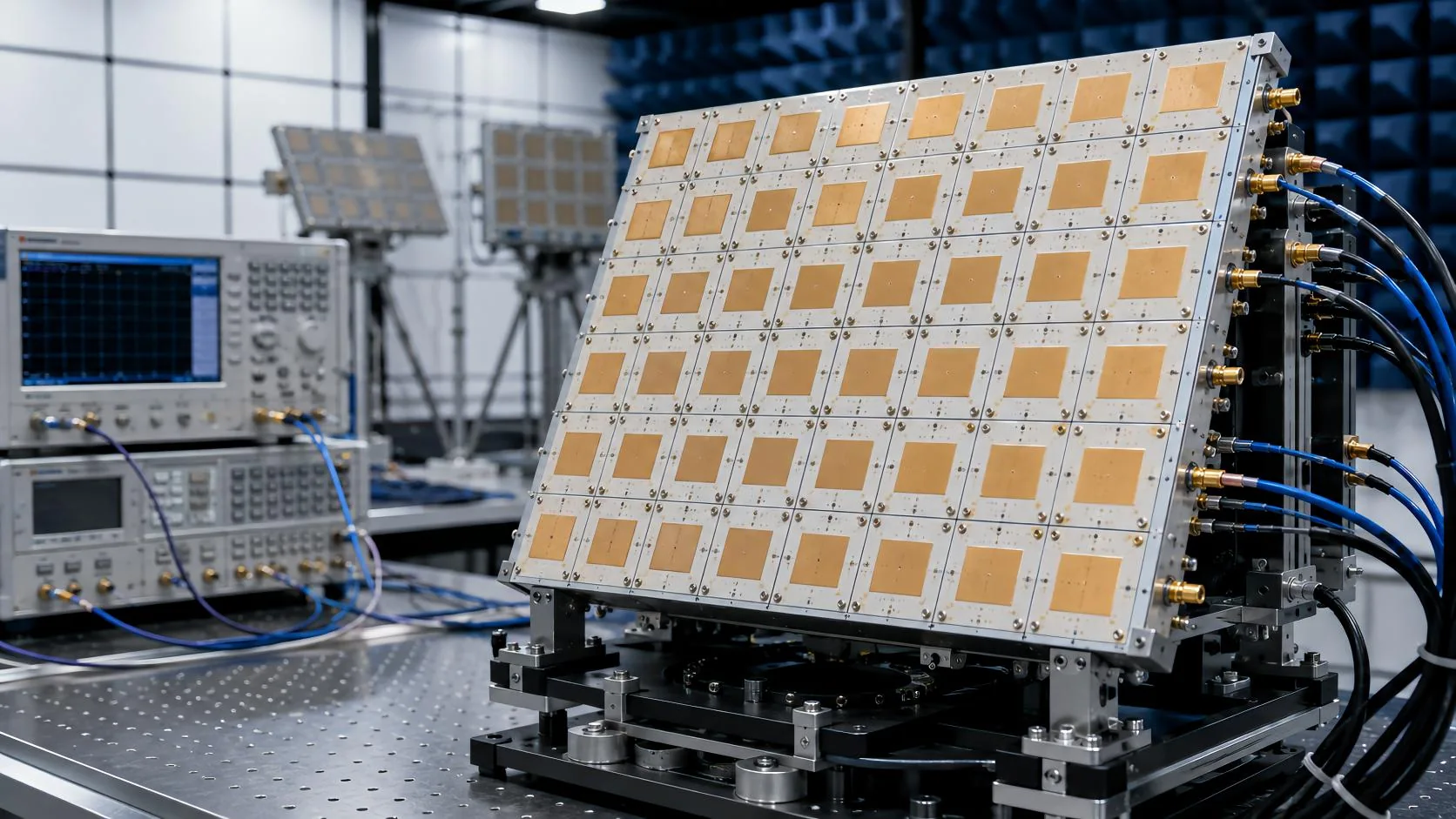
- Panel antennas
- Blade antennas
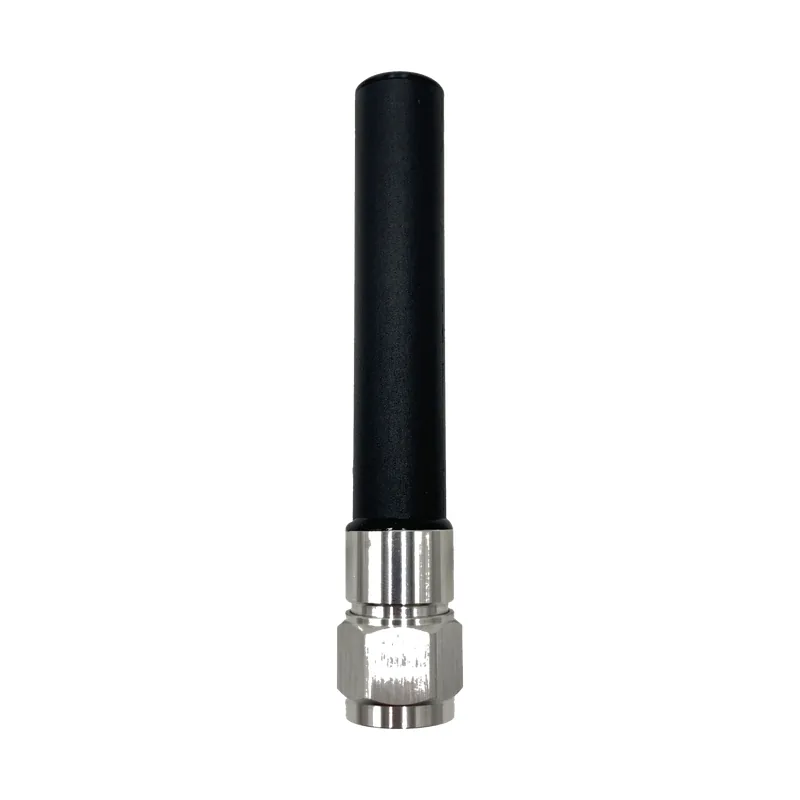
- Rubber whip antennas
- PCB antennas
- FPV antennas
- Internal RF antennas
Each type has a different structure and radiation pattern. The correct choice depends on the wireless system and the physical installation.
Industrial Antenna Applications
Industrial antennas can be found in a wide range of wireless equipment.
LTE, 4G and 5G Equipment
Cellular antennas are commonly used in industrial routers, gateways, monitoring equipment, vending machines, security equipment and remote terminals.
A 4G or LTE antenna may need to support several frequency bands rather than one single frequency. This is common in equipment intended for different countries or regions.
5G equipment can have additional frequency requirements, and some devices use multiple antennas as part of their RF design.
When selecting a cellular antenna, the frequency range should be checked against the bands supported by the wireless module.
Industrial IoT
Industrial IoT systems connect sensors, machines and gateways through wireless networks.
An IoT sensor may use a small internal antenna because there is limited space inside the enclosure. A gateway installed in a factory or outdoor location may use an external omni-directional antenna instead.
The choice also depends on the distance between devices, the surrounding environment and the required wireless coverage.
For manufacturers developing IoT equipment, antenna dimensions and cable routing are often just as important as RF specifications.
GNSS and GPS Tracking
GNSS antennas are widely used in vehicle tracking, fleet management, navigation equipment, logistics terminals and positioning devices.
A GNSS antenna receives signals from satellite navigation systems such as GPS, Galileo, GLONASS and BeiDou.
The antenna needs a suitable frequency range for the required GNSS bands. Some devices only require a single GNSS band, while newer positioning equipment may use multiple bands.
Installation can also affect performance. The antenna may be mounted on top of an enclosure, under a plastic housing or inside a tracking terminal. Nearby metal parts and electronic components can change the RF environment.
LoRa Wireless Systems
LoRa is widely used for low-power wireless communication in sensors, meters, monitoring systems and IoT networks.
Outdoor LoRa gateways often use vertical omni-directional antennas. Fiberglass antennas are commonly selected for these applications because they can provide a robust outdoor structure.
The required frequency depends on the target market. For example, LoRa equipment may use different frequency ranges in Europe, North America and other regions.
A LoRa antenna should therefore be selected according to the actual operating band instead of relying only on the product name.
Industrial Machines
Wireless communication is also being added to industrial machines and automation equipment.
A machine may use wireless communication for remote monitoring, data collection, maintenance or control. The antenna can be installed on the machine housing, inside a control box or at another suitable position.
Large metal structures can influence RF signals, so antenna placement should be considered during equipment design.
This is one reason why an antenna that works well during an initial bench test may need to be tested again after it is installed in the finished machine.
What Should You Check Before Buying an Industrial Antenna?
There are several specifications worth checking before selecting an antenna.
Frequency Range
Frequency is usually the first specification to confirm.
For example, a cellular antenna designed for LTE bands may not be suitable for a GNSS application. A Wi-Fi antenna designed for 2.4 GHz is also different from an antenna designed for 5.8 GHz applications.
For multi-band equipment, the antenna should cover all required operating bands.
The frequency range should be checked together with the wireless module rather than selected independently.
Gain
Gain is another common antenna specification.
A higher gain value does not automatically mean better wireless performance. Antenna gain is related to the radiation pattern and how RF energy is distributed.
An omni-directional antenna is generally used when coverage is required around the antenna. A directional panel antenna concentrates more energy toward a particular direction.
The required gain therefore depends on the application, installation height, coverage area and antenna type.
VSWR
VSWR, or Voltage Standing Wave Ratio, is commonly included in antenna specifications.
It provides information about the impedance matching between the antenna and the RF system. A lower VSWR generally indicates better matching within the specified frequency range.
When comparing antennas, it is useful to check the VSWR across the complete operating band instead of looking at one frequency point.
Connector Type
The connector needs to match the RF port of the equipment or cable.
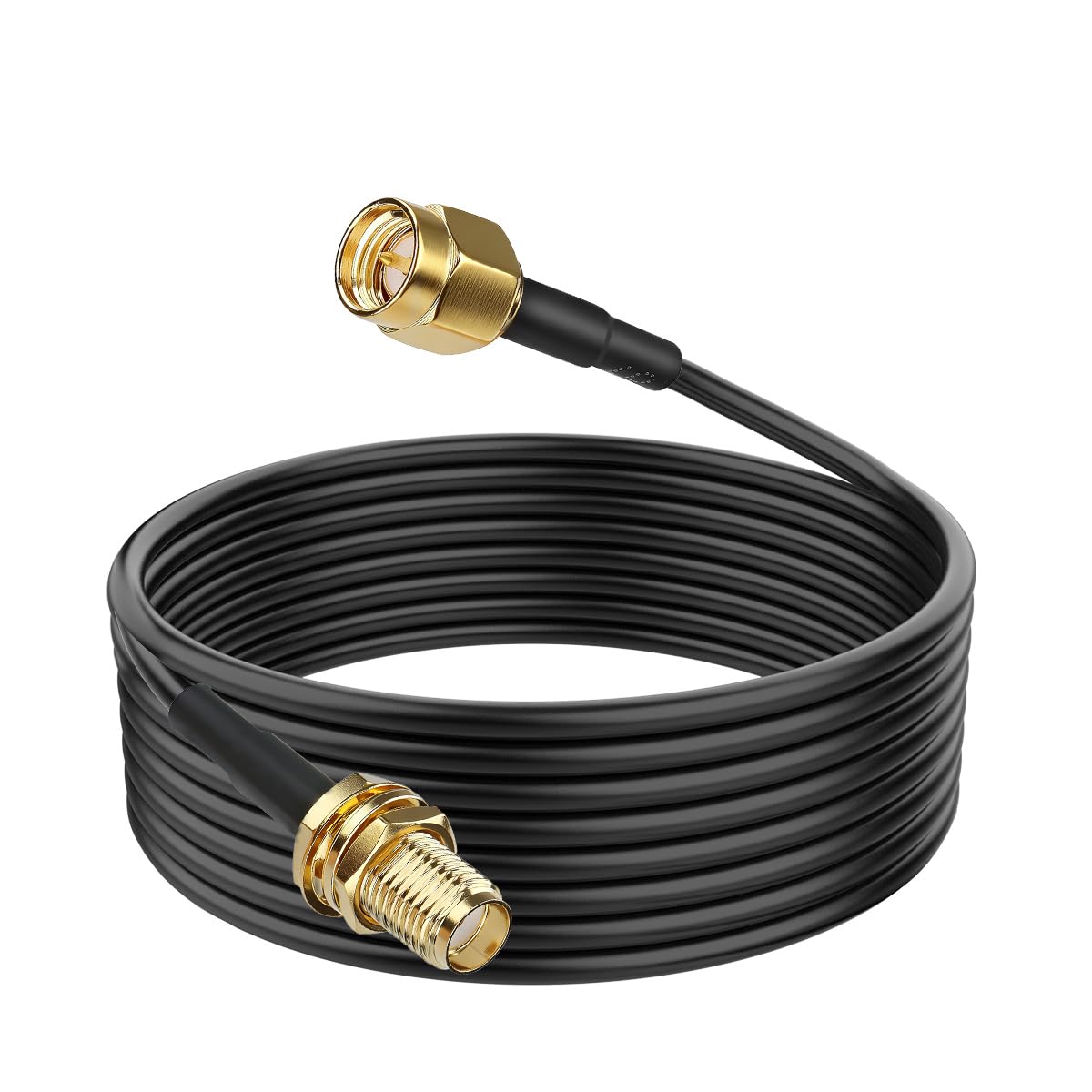
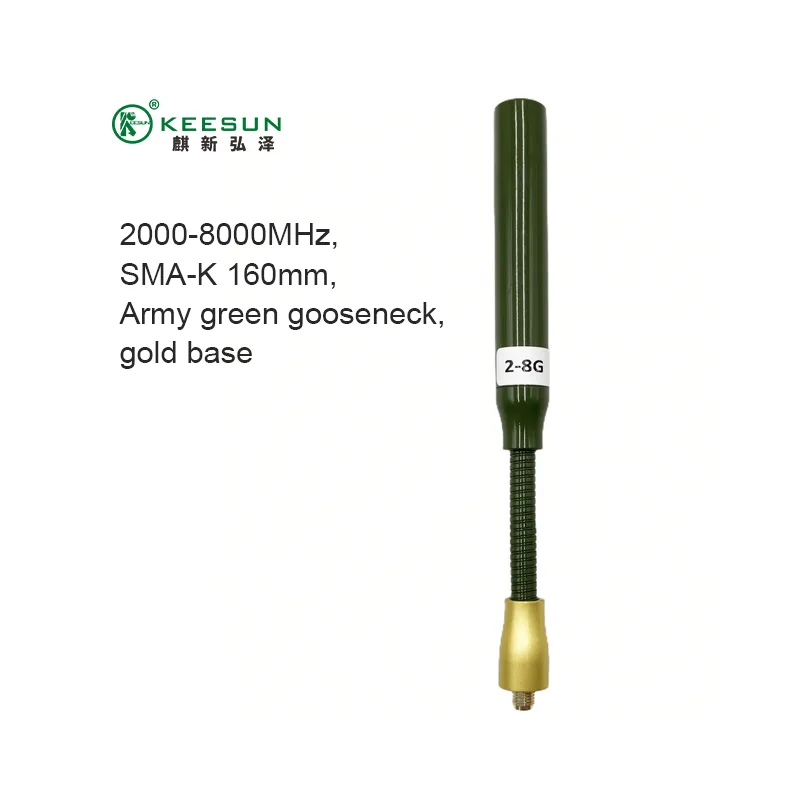
SMA, RP-SMA, N-type, MMCX, IPEX and U.FL are some of the connectors commonly found in wireless equipment.
Connector selection can also depend on the installation environment. For example, an N-type connector may be used for an outdoor antenna installation, while IPEX or U.FL connectors are common inside compact electronic devices.
Cable Length
For an external antenna, the RF cable connects the antenna to the wireless module.
Cable type and length should be confirmed before production. A longer RF cable can introduce additional insertion loss, so the cable should not be made longer than necessary without considering the RF requirements.
Common RF cable assemblies include cables using RG174, RG178, RG316 and other coaxial cable types.
The connector combination can also be customized to match the equipment.
Antenna Size and Installation
Antenna size can become a major limitation in compact products.
A tracking terminal may only have a small space available for the antenna. A router or industrial gateway may have more room for external antennas.
Mounting method is also important. Depending on the product, an antenna may use screw mounting, magnetic mounting, adhesive mounting, bracket mounting or direct PCB installation.
The mechanical design should be checked together with the RF requirements.
Omni-Directional or Directional Antenna?
This is a common question when choosing an industrial antenna.
An omni-directional antenna is designed to radiate around the antenna. It is often used for wireless networks where the equipment needs to communicate with devices in different directions.
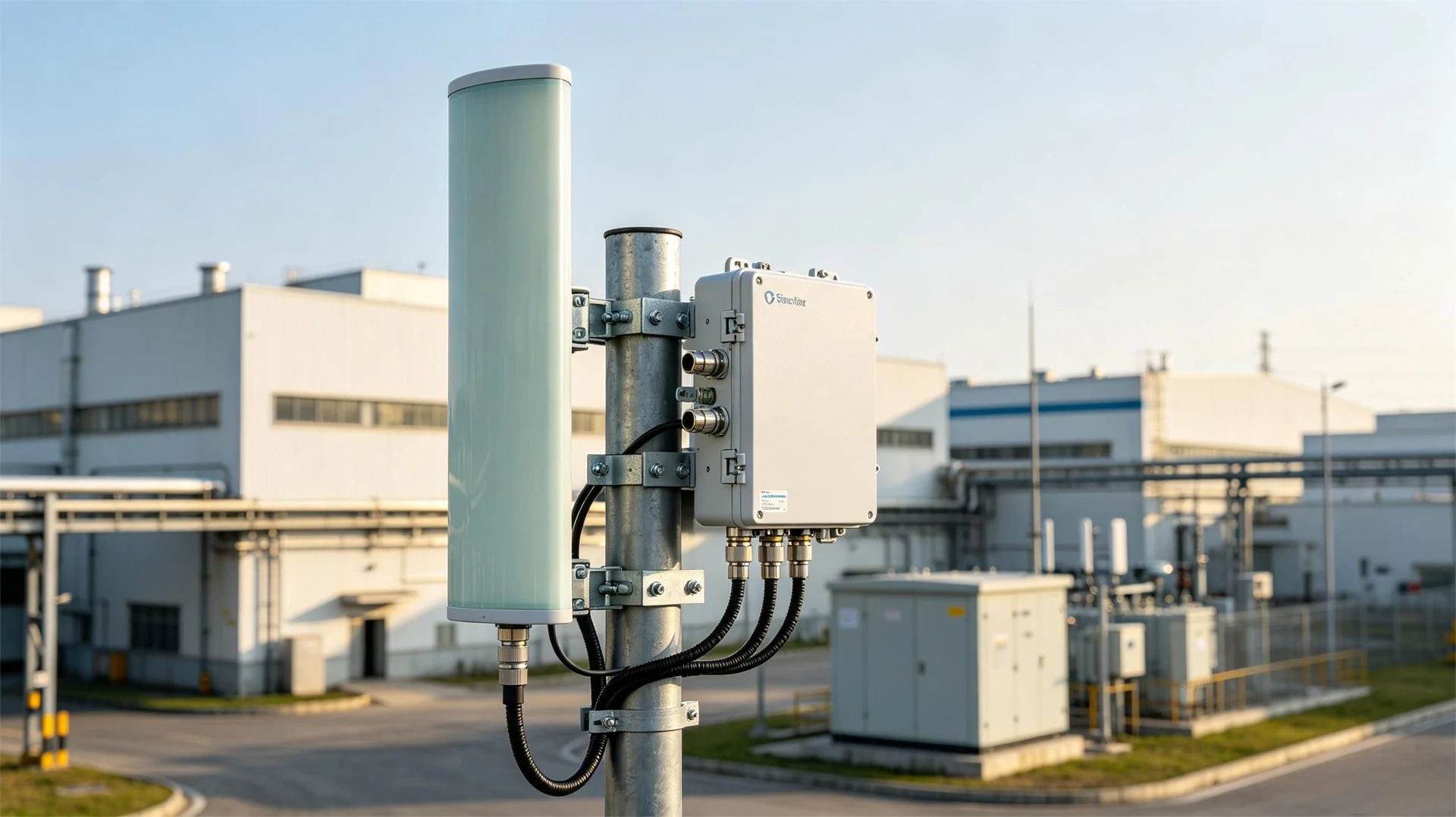
Fiberglass antennas are a common example. They are often installed vertically on poles, cabinets, gateways and outdoor communication equipment.
A directional antenna concentrates RF energy in a particular direction. Panel antennas are commonly used where the coverage area has a defined direction.
Neither type is universally better. The correct antenna depends on the layout of the wireless system.
Outdoor Industrial Antennas
Outdoor equipment has additional requirements.
An outdoor antenna may be exposed to rain, dust, sunlight, wind and changes in temperature. The housing and sealing structure therefore need to match the intended installation environment.
Fiberglass antennas are widely used for outdoor communication systems. Their mechanical structure makes them suitable for many fixed installations.
For outdoor equipment, the connector and cable connection should also be considered. A good antenna can still have installation problems if the RF connection is not properly protected.
When Should You Use a Customized Antenna?
Standard antennas work well for many applications. However, a standard product may not fit every industrial device.
Customization can be useful when the equipment has a specific frequency range, limited installation space or a special connector requirement.
For example, an equipment manufacturer may need:
- A specific operating frequency
- A different antenna length
- A special RF connector
- A particular cable length
- A 90-degree connector
- A custom mounting structure
- A specific housing
- A different antenna gain
- A private label or packaging requirement
In some cases, only the cable or connector needs to be changed. In other projects, the antenna structure itself needs to be adjusted.
The earlier these requirements are confirmed, the easier it is to make the antenna fit the final equipment.
KEESUN Industrial Antenna Solutions
KEESUN is an antenna manufacturer providing RF antennas and related products for wireless communication applications.
The product range includes cellular antennas, 4G LTE antennas, 5G antennas, GNSS antennas, GPS antennas, LoRa antennas, Wi-Fi antennas, fiberglass antennas, panel antennas, blade antennas, rubber antennas and other RF antenna products.
KEESUN also works with customers that require customized antenna assemblies.
Customization can cover the antenna structure, frequency range, gain, cable length, RF connector, connector orientation and mounting method.
For B2B projects, the antenna is often part of a larger product rather than a standalone item. The manufacturer therefore needs to consider production consistency as well as RF performance.
A complete antenna assembly may include the antenna, coaxial cable, RF connector and mounting components. Supplying these parts as one assembly can make integration easier for equipment manufacturers.
Antenna Testing and Quality Control
Antenna testing is an important part of production.
Depending on the product, common RF measurements include VSWR, return loss, impedance and gain. Cable assemblies can also be checked for continuity, connector assembly and other production requirements.
Testing helps identify problems before antennas are delivered to customers.
For customized projects, testing requirements can be discussed according to the application and product specification. This is especially useful when an antenna will be installed in a specific wireless device.
The final equipment should also be tested with the antenna installed. The enclosure, PCB, battery, cables and metal components around the antenna can all affect the final RF performance.
How to Select an Antenna for Your Project
Before contacting an antenna manufacturer, it is useful to prepare several basic details:
Wireless technology: LTE, 4G, 5G, Wi-Fi, GNSS, LoRa or another RF system.
Frequency: The operating frequency or frequency bands required by the wireless module.
Installation: Internal, external, panel mount, magnetic mount, pole mount or another installation method.
Size: The maximum available antenna dimensions.
Connector: SMA, RP-SMA, N-type, MMCX, IPEX, U.FL or another connector.
Cable: Required cable type, length and connector combination.
Environment: Indoor, outdoor, industrial or other operating conditions.
Quantity: Sample quantity and expected production volume.
These details give the antenna manufacturer a clear starting point for selecting or developing the product.
Conclusion
Industrial antenna selection is not only about choosing the highest gain or the lowest price. The antenna needs to match the wireless frequency, installation position, radiation pattern, connector, cable and operating environment.
A suitable antenna can make the integration process easier and reduce problems during product development and production.
KEESUN provides industrial RF antennas for cellular communication, GNSS positioning, LoRa, Wi-Fi and other wireless applications. Standard products are available for common requirements, while antenna dimensions, connectors, cables and other specifications can be adapted for customized projects.
For a new wireless product, providing the antenna manufacturer with the frequency, installation space, connector, cable requirements and application environment is a practical way to start the selection process.