

How to Choose an RF Antenna Manufacturer for Your Wireless Product
-
admin
- 29th September 2026
Choosing an RF antenna manufacturer is an important step when developing a wireless product. The antenna may be a relatively small part of the final device, but it has a direct connection with the wireless system.
For an equipment manufacturer, buying an antenna is not simply a matter of finding a product with the right frequency. The antenna also needs to fit the enclosure, connector, cable, installation position and production requirements.
This becomes more important when an antenna will be used in a product that is manufactured in large quantities. A sample may work well during development, but the final production antenna needs to remain consistent from one batch to another.
For this reason, many companies look for an RF antenna manufacturer that can provide both standard products and customized antenna solutions.
KEESUN works with customers looking for RF antennas for wireless communication equipment, industrial devices, IoT products, tracking systems and other applications.
What Does an RF Antenna Manufacturer Provide?
An RF antenna manufacturer normally provides more than the antenna itself.
Depending on the project, the finished product may include an antenna element, housing, coaxial cable, RF connector, mounting parts and other components.
Common RF antenna products include:
- 4G LTE antennas
- 5G antennas
- Wi-Fi antennas
- GNSS antennas
- GPS antennas
- LoRa antennas
- Fiberglass antennas
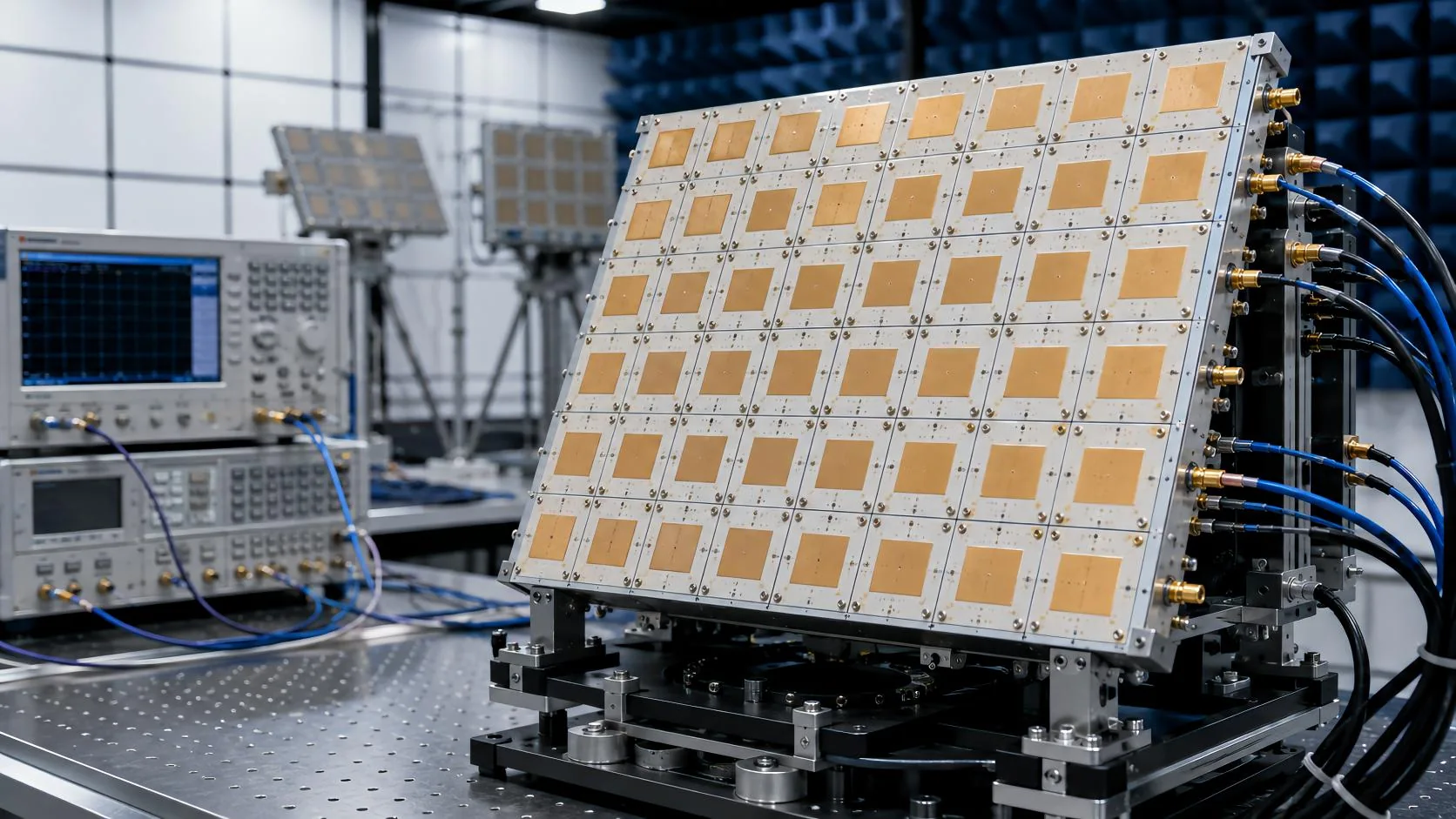
- Panel antennas
- Blade antennas
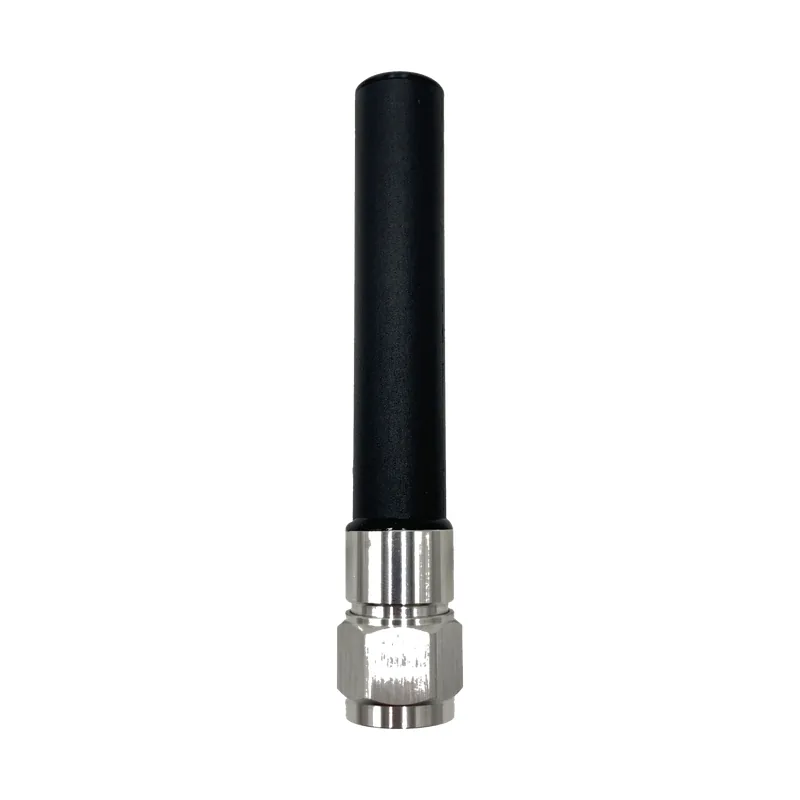
- Rubber whip antennas
- PCB antennas
- Internal antennas
- FPV antennas
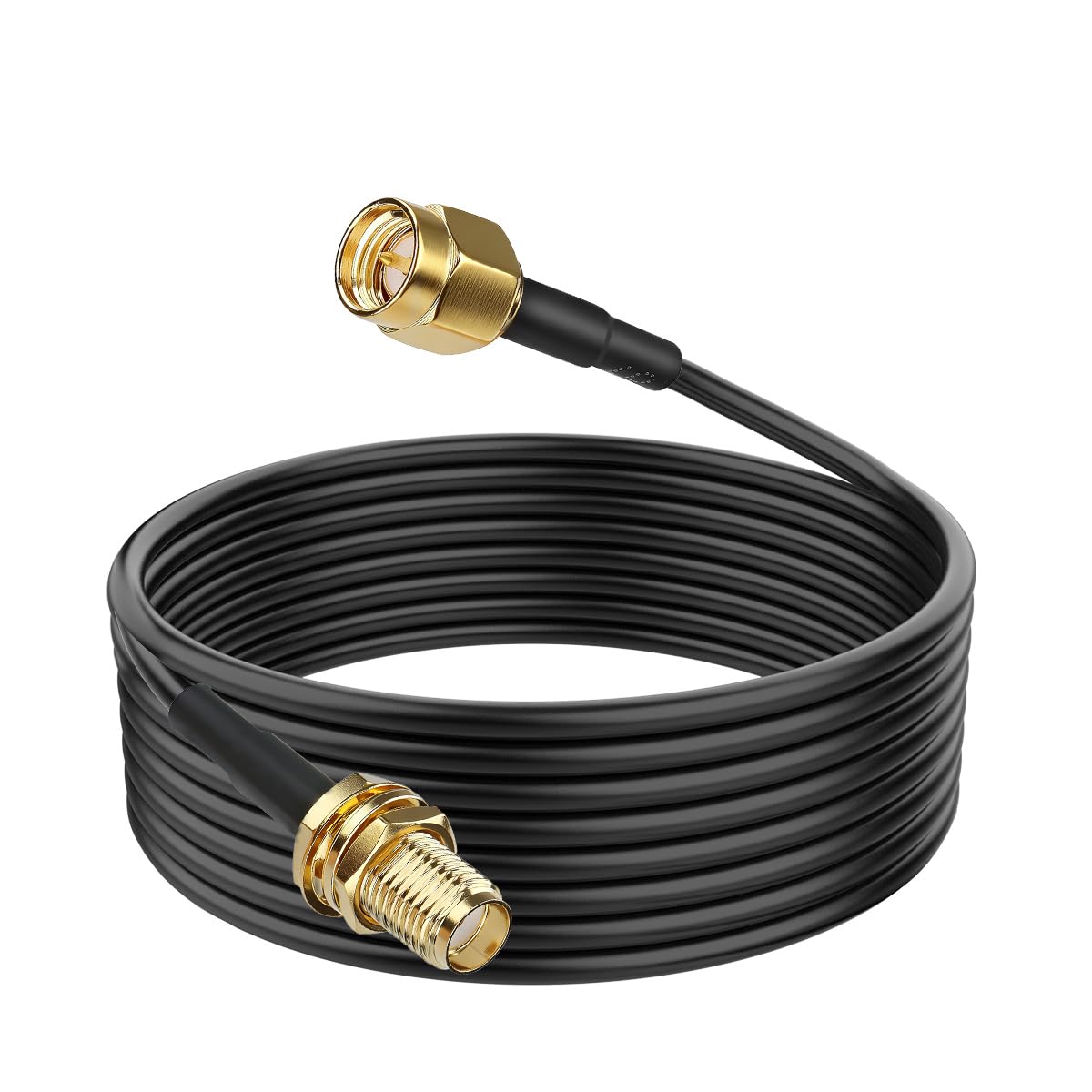
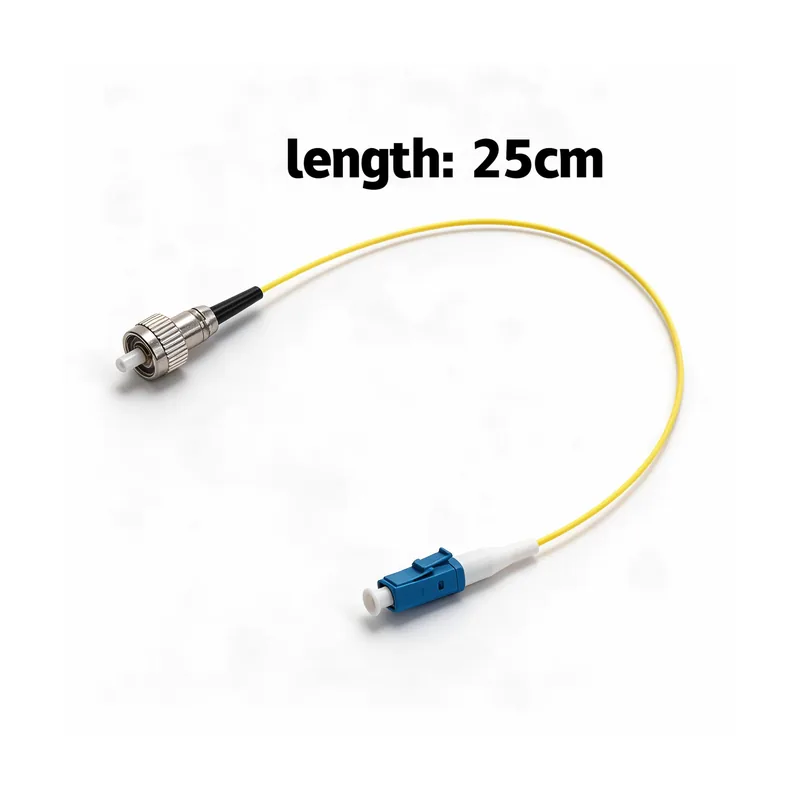
- RF cable assemblies
Different products are designed for different wireless systems. A suitable antenna should match the frequency and the physical requirements of the equipment.
A manufacturer that understands these differences can be more useful during product development than a supplier that only provides a fixed product catalog.
Manufacturer or Trading Supplier?
For companies purchasing antennas for their own products, the difference between a manufacturer and a trading supplier can become important.
A trading company may source products from different factories. This can be useful for some purchasing requirements, but it can make technical communication and production changes more complicated.
Working directly with an antenna manufacturer can provide a shorter communication path between the customer and the production team.
This is especially useful when a project involves changes to:
- Antenna dimensions
- Frequency range
- Gain
- RF connector
- Cable length
- Connector direction
- Mounting structure
- Housing
- Cable type
- Packaging
A manufacturer can normally discuss these requirements based on the actual production process.
For B2B customers, this can make a difference when moving from an initial sample to regular production.
What Should You Tell an Antenna Manufacturer?
A detailed technical specification is helpful, but customers do not always have a complete antenna specification when they first contact a manufacturer.
In many cases, the following information is enough to begin a discussion:
Wireless Technology
Start with the wireless technology used by the equipment.
For example, the device may use 4G LTE, 5G, Wi-Fi, GNSS, GPS, LoRa or another RF system.
Frequency
Provide the operating frequency or frequency bands required by the wireless module.
For multi-band products, all required bands should be listed.
This prevents the antenna from being selected only by its general product name.
Installation Position
Explain where the antenna will be installed.
It may be mounted outside the enclosure, installed inside the device, fixed to a cabinet or connected to an external communication unit.
The installation position can influence antenna selection because nearby metal and electronic components may affect RF performance.
Size
The available space should also be considered.
For a small IoT device, a compact internal antenna may be required. A larger industrial gateway may have enough space for an external antenna.
Providing the maximum available dimensions can help the manufacturer recommend a suitable structure.
Connector and Cable
The RF connector should match the equipment.
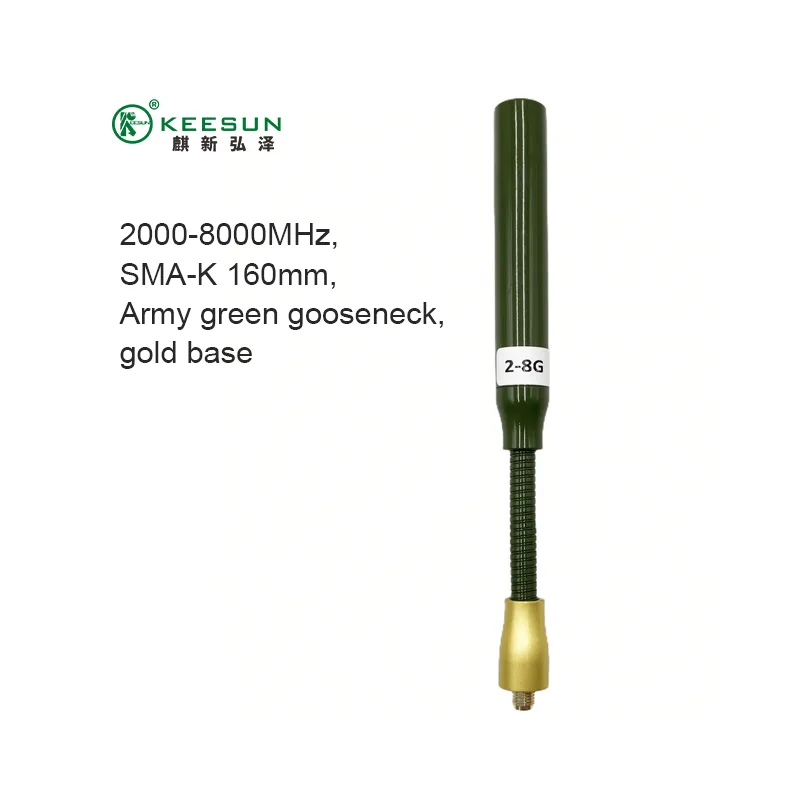
Common options include SMA, RP-SMA, N-type, MMCX, IPEX and U.FL.
If the antenna is supplied with a cable, the cable type and required length should also be specified.
For example, an equipment manufacturer may require a specific coaxial cable with a particular connector combination and cable length.
These details are relatively simple, but they are important when the antenna enters mass production.
Standard Antennas Can Be a Good Starting Point
Not every project requires a completely new antenna design.
Standard antennas are often suitable when the frequency, dimensions, connector and installation requirements are close to an existing product.
Starting with a standard antenna can also make the development process easier. A sample can be tested on the actual equipment before deciding whether further changes are needed.
For many projects, customization involves only a few changes.
For example, the customer may need the same antenna with:
- A different cable length
- Another connector
- A 90-degree connector
- A different mounting method
- A different housing color
- A modified antenna length
These changes are different from developing an entirely new antenna and may be easier to implement during production.
When Is a Custom Antenna Necessary?
A customized RF antenna becomes more useful when the equipment has special requirements that cannot be met by a standard product.
One common reason is limited installation space.
A wireless device may have a small internal cavity with a specific shape. The antenna must fit into that space without interfering with the PCB, battery or other components.
Another reason is the frequency requirement. A customer may need an antenna designed for a specific combination of frequency bands.
Connector configuration is another common customization.
For example, the wireless module may use an IPEX connector while the external antenna uses SMA. A customized RF cable assembly can connect the two parts without requiring an additional adapter.
For industrial products, mounting and environmental requirements can also lead to customization.
The antenna may need to be installed on a metal cabinet, outdoor pole, machine enclosure or communication box.
Why RF Cable and Connector Quality Matter
The antenna is only one part of the RF connection.
The cable and connector also have an effect on the complete system.
Coaxial cables such as RG174, RG178 and RG316 are commonly used for RF applications. The appropriate cable depends on the frequency, cable length, mechanical requirements and application.
The connector should be properly assembled and matched to the equipment.
Common RF connectors include SMA male, SMA female, RP-SMA, N-type, MMCX and IPEX.
For B2B production, the complete cable assembly can be supplied together with the antenna. This reduces the number of separate components that need to be handled during equipment assembly.
It can also make the final production process more straightforward.
Antenna Testing Before Mass Production
Testing should be part of the antenna development process.
A basic antenna evaluation may include parameters such as VSWR, return loss, impedance and gain.
The actual testing requirements depend on the antenna type and application.
For example, a cellular antenna may need to cover several LTE or 5G bands, while a GNSS antenna may need to support specific satellite navigation bands.
Testing the antenna by itself is useful, but testing it after installation in the final device is also important.
The enclosure, PCB, battery, cables and nearby metal parts can change the RF environment.
For this reason, an antenna that performs well as a standalone component should also be checked in the actual equipment whenever possible.
From Sample to Mass Production
The development process usually starts with samples.
The customer can install the sample antenna in the target equipment and check the physical fit and wireless performance.
If changes are required, the antenna manufacturer can adjust the design or configuration.
Once the product specification is confirmed, production can move to regular orders.
At this stage, consistency becomes especially important.
The antenna dimensions, cable length, connector position, materials and assembly method should remain stable between production batches.
For equipment manufacturers, this consistency can be just as important as the initial antenna performance.
What Makes a Good Antenna Supplier?
There are several practical points to consider when choosing an RF antenna supplier.
Product Range
A supplier with different antenna types can be useful when a company develops several wireless products.
For example, the same customer may need a compact GNSS antenna for a tracker, a 4G antenna for a gateway and a fiberglass LoRa antenna for an outdoor installation.
Customization
The supplier should be able to discuss changes to dimensions, connectors, cables and mounting structures when necessary.
Communication
Technical information should be easy to communicate.
Clear drawings, specifications, samples and feedback can reduce unnecessary development time.
Testing
The manufacturer should have suitable testing and inspection procedures for the products being supplied.
Production Capability
For B2B customers, the ability to move from samples to regular production is important.
A supplier may provide a good sample, but the real requirement is often a stable product that can be supplied repeatedly.
KEESUN as an RF Antenna Manufacturer
KEESUN provides RF antennas and antenna-related products for wireless communication applications.
The product range covers several common application areas, including 4G LTE, 5G, GNSS, GPS, Wi-Fi, LoRa and other RF systems.
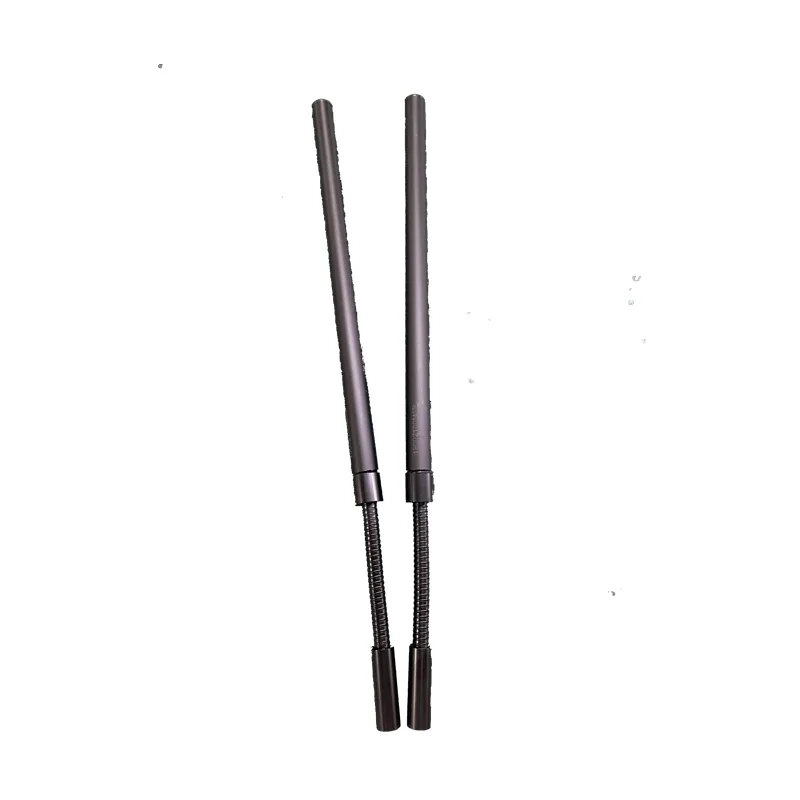
The company also provides different antenna structures, including fiberglass antennas, panel antennas, blade antennas, rubber antennas and compact antenna solutions.
For customers with specific requirements, KEESUN can work on antenna configurations involving frequency, dimensions, gain, cable length, connector type and mounting method.
This approach is useful for equipment manufacturers that do not want to purchase an antenna as an isolated component but need an antenna assembly that fits their product.
For example, a customer may provide the wireless module information, available installation space and required connector. From there, the antenna configuration can be discussed and tested before regular production.
Why Direct Communication Helps in Custom Projects
Antenna projects often involve small details that are difficult to describe through a general product listing.
A customer may know that a 4G antenna is required but still need to confirm the exact frequency bands, cable length and connector.
Another customer may have an existing antenna and want to change only the connector or cable.
These requirements are easier to handle when the customer can communicate directly with the antenna manufacturer.
For this reason, B2B buyers should provide drawings, photos, product dimensions or existing antenna samples whenever available.
The more information available at the beginning, the easier it is to determine whether a standard antenna can be used or whether customization is required.
Questions to Ask Before Placing an Antenna Order
Before placing a production order, it is worth confirming several basic points:
Frequency: Does the antenna cover the required operating bands?
Connector: Is the connector type and orientation correct?
Cable: Is the cable type and length suitable?
Dimensions: Does the antenna fit the equipment?
Mounting: Can the antenna be installed in the required position?
Environment: Is the antenna suitable for indoor or outdoor use?
Testing: Which RF parameters have been tested?
Production: Can the same specification be maintained for future orders?
Packaging: Does the packaging meet the requirements of the final product?
These questions can prevent many simple problems before mass production begins.
Finding the Right RF Antenna Manufacturer
The right antenna supplier depends on the project.
For a simple application, an existing standard antenna may be enough. For a new wireless device, a customized antenna may provide a better fit.
The important point is to look at the complete RF system rather than choosing an antenna only by its gain or appearance.
Frequency, radiation pattern, installation position, connector, cable, enclosure and environment all have a role in the final result.
For companies developing wireless equipment, working directly with an experienced RF antenna manufacturer can also make communication easier from sample development through production.
KEESUN provides standard and customized RF antenna solutions for B2B customers. If you are looking for an antenna for a new wireless product or need to modify an existing antenna, you can provide the frequency, application, dimensions, connector and cable requirements.
With this information, KEESUN can help identify a suitable antenna configuration for your project and discuss the next step from sample testing to production.